
Discover 10 innovative ways to boost automated lead generation in 2026 Learn advanced AI strategies and proven tactics to increase lead quality and ROI
The future of automated lead generation is rapidly evolving, and by 2026, only the most forward-thinking businesses will secure a real competitive edge. As technology, data, and personalization trends accelerate, companies must adopt innovative strategies to keep pace. This article reveals 10 cutting-edge ways to supercharge automated lead generation, offering proven tactics that leverage AI-driven personalization, omnichannel automation, and advanced chatbot integration. Discover actionable steps that will help you increase lead quality, boost efficiency, and maximize ROI. Ready to future-proof your results and turn innovation into higher conversion rates? Let’s dive into your roadmap for success.
The Evolution of Automated Lead Generation
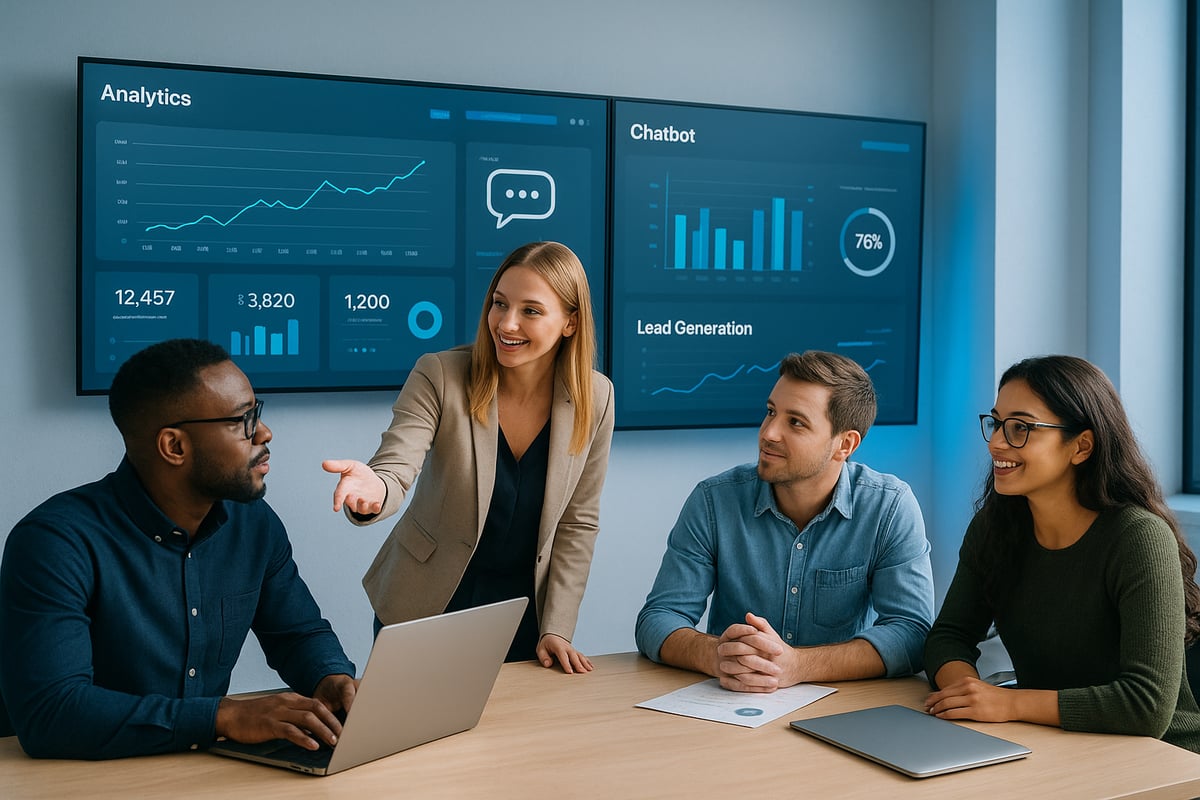
Automated lead generation has transformed dramatically in recent years. What began as simple, rule-based email drip campaigns has evolved into sophisticated, AI-powered systems that drive business growth at scale. Today, companies can orchestrate complex journeys that automatically capture, nurture, and qualify prospects across multiple channels.
Historical Overview and 2026 Landscape
In the early days, automated lead generation relied on mass email blasts and basic web forms. These tools were effective for volume, but rarely delivered high-quality leads. Over time, marketers adopted more advanced marketing automation platforms, enabling segmentation, scheduling, and performance tracking.
By 2024, the adoption of AI and automation tools had surged, with 64 percent of marketers leveraging these solutions for lead gen, according to Leadfeeder. This rapid shift was fueled by several factors. Buyer behaviors changed, with prospects expecting fast, personalized responses and seamless experiences across channels. At the same time, privacy regulations like GDPR and CCPA forced businesses to rethink how they collect and process data.
The landscape in 2026 is shaped by three key technologies:
- Predictive analytics, which anticipates buyer intent and recommends next steps.
- Conversational AI, delivering real-time, human-like engagement via chatbots and voice assistants.
- Real-time personalization, adapting content for each visitor on the fly.
These changes bring new challenges. Integrating multiple tools and platforms can create data silos, making it difficult to maintain a single source of truth. Businesses must also balance automation with the human touch, ensuring interactions feel authentic, not robotic.
Falling behind in automated lead generation means missing out on quality leads and slower sales cycles. Companies that lag in adopting these innovations risk losing ground to competitors who move faster and smarter. For example, organizations using dynamic website personalization saw demo requests jump by 111 percent, according to Dynamic Yield.
The impact of automated lead generation is seen across both B2B and B2C industries. Automation enables companies to scale their outreach, nurture leads with precision, and adapt to changing market demands. To explore more about the latest trends and strategies, see Lead generation strategies for 2024.
In summary, automated lead generation has moved from static, one-size-fits-all tactics to dynamic, AI-driven journeys. As we look to 2026, embracing these advances is essential for staying competitive and driving better results.
10 Innovative Ways to Boost Automated Lead Generation in 2026
Innovative businesses know that the future of automated lead generation is about more than just plugging in tools. It requires leveraging new technology, data, and personalization to reach prospects at the right moment, in the right way.
Below, discover 10 actionable strategies to elevate your automated lead generation and stay ahead in 2026.
1. Leverage Predictive AI for Hyper-Targeted Lead Scoring
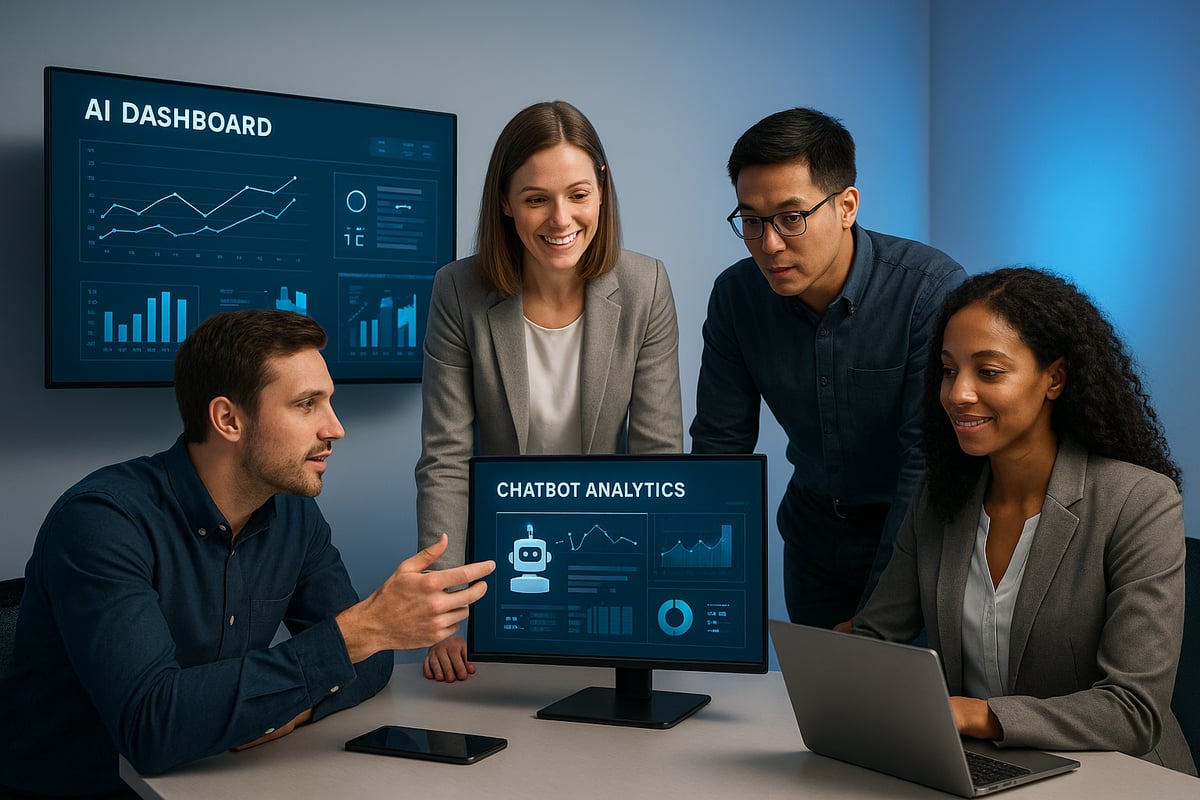
Predictive AI is transforming automated lead generation by analyzing historical data and predicting which prospects are most likely to convert. Machine learning models evaluate behaviors such as email opens, website visits, and engagement patterns, delivering real time lead scores directly to your sales team.
Integrating predictive AI with CRM and marketing automation platforms allows for dynamic, always up to date qualification. This reduces manual review, increases productivity, and ensures your team focuses on high quality leads. For instance, AI-driven lead scoring boosts conversion rates by 35–50%.
Best practices include regularly retraining your models to avoid bias and ensuring data privacy compliance. Tools like Salesforce Einstein, HubSpot AI, and Marketo Predictive are leading choices in this space.
Automated lead generation powered by AI not only improves conversion rates but also helps businesses scale efficiently, focusing resources where they matter most.
2. Implement Conversational Chatbots with Natural Language Processing
Modern chatbots have evolved far beyond simple FAQ bots. With natural language processing, they deliver context aware, human like conversations that can qualify and nurture leads 24 7.
Conversational chatbots can identify high intent visitors, schedule meetings, and even trigger personalized follow ups. Integration across websites, social media, and messaging apps ensures prospects are engaged wherever they are.
Using AI chatbots for automated lead generation reduces response time, increasing lead satisfaction and qualification rates. Analytics show that platforms like Drift and Intercom result in 30% higher lead qualification.
To maximize impact, personalize chatbot flows based on user data and trigger seamless handoffs to human agents for complex queries. Track engagement and lead to meeting conversions to optimize performance.
3. Personalize Website Experiences Using Real-Time Data
Personalization is at the heart of effective automated lead generation. By leveraging real time data, websites can dynamically adjust content, offers, and calls to action for each visitor based on their behavior, referral source, or intent.
Behavioral segmentation lets you present relevant forms, product recommendations, or popups tailored to individual needs. Philips saw a 40.1% increase in conversions through contextual personalization.
Popular tools include RightMessage, Dynamic Yield, and Wisepops. To ensure compliance, prioritize privacy first personalization and adhere to GDPR and CCPA standards.
A/B testing and ongoing optimization are crucial for maximizing engagement and lead capture. Combine real time personalization with exit intent popups to reduce bounce rates and increase your automated lead generation output.
4. Automate Multi-Channel Outreach Campaigns
Automated lead generation thrives when outreach happens across multiple channels—email, SMS, social media, and push notifications. Synchronizing campaigns ensures consistent messaging and maximizes your chances of connecting with prospects.
Automated sequencing tailors follow up based on user actions and funnel stage. For example, automated email campaigns can boost click through rates by 199%. Tools like Mailshake, ActiveCampaign, and Klaviyo make multi channel automation accessible to teams of all sizes.
Personalization at scale is achievable by using dynamic fields and user data. Monitor and optimize touchpoints to avoid message fatigue, and use frequency capping to maintain engagement.
Retargeting campaigns further enhance conversion, keeping your brand top of mind and driving continued automated lead generation.
5. Integrate Advanced Lead Capture Forms and Interactive Popups
Capturing leads effectively requires more than static forms. Multi step forms, gamified popups like spin to win, and contextual overlays greatly increase user engagement.
Spin to win popups, for example, can boost signup rates by 30%. Progressive profiling allows you to collect more data over time, improving lead quality without overwhelming visitors. Ensure all forms are mobile optimized and accessible.
Trigger based displays—such as on exit intent or scroll depth—catch leads at the perfect moment. Integration with CRM and email platforms enables instant follow up and seamless automated lead generation.
A/B test form fields and layouts to maximize conversion. Welcome offer popups have been shown to grow lists by 18%, demonstrating the power of interactive lead capture.
6. Use Behavioral Triggers for Automated Lead Nurturing
Automated lead generation doesn’t stop at capturing a contact. Behavioral triggers enable you to nurture leads based on specific actions, such as downloading a resource, visiting a product page, or abandoning a cart.
Automated workflows deliver personalized email or SMS sequences that guide leads further down the funnel. This approach increases qualified leads by up to 50%, according to recent data.
Tools like HubSpot Workflows, Marketo Engage, and Mailchimp Automation offer robust solutions for segmenting leads and optimizing timing and frequency. Regularly measure engagement rates and adjust flows to maintain relevance.
Reducing manual follow up workload, behavioral triggers ensure leads receive the right message at the right time, continuously fueling your automated lead generation engine.
7. Employ Social Listening and Engagement Automation
Social listening tools monitor brand mentions, competitor activity, and key industry keywords, surfacing new lead opportunities across platforms. Automated engagement features allow instant replies, direct messages, and content sharing.
Platforms like Sprout Social, Hootsuite, and Brand24 help identify buying signals and route hot leads directly to sales. With 89% of B2B marketers using LinkedIn for lead generation, social automation is a must.
Integrate social listening with your CRM to unify lead tracking and measure ROI. Use social retargeting and lookalike audiences to expand reach and improve automated lead generation performance.
Regularly review analytics to refine your strategy, ensuring social automation contributes meaningfully to your pipeline.
8. Enrich Leads with Real-Time Data and Firmographics
Automated lead generation is most effective when you have a complete picture of each prospect. Real time data enrichment tools add firmographic details like company size, industry, and decision maker info to every lead profile.
Solutions such as Leadfeeder, Clearbit, and ZoomInfo automate this process, enabling better segmentation and faster sales qualification. Website visitor identification tools can dramatically increase B2B lead conversion rates.
Automate the routing of leads based on enriched data, and ensure compliance by verifying data accuracy and respecting privacy regulations. This approach is ideal for account based marketing and outbound prospecting.
Reducing manual research time, real time enrichment empowers your team to focus on high value automated lead generation activities.
9. Optimize and Test Every Step with AI-Powered Analytics
Continuous optimization is critical for maximizing automated lead generation results. AI powered analytics platforms enable A/B and multivariate testing of landing pages, forms, and emails, revealing bottlenecks and opportunities.
Companies using conversion rate optimization tools report significant improvements in lead volume. Google Optimize, Unbounce, VWO, and Wisepops Experiments provide real time dashboards and automated reporting.
Use attribution modeling to identify which channels drive the best leads. Build a data driven culture by making insights accessible and actionable for your team.
Automated lead generation thrives when every element is tested and refined based on real data, not just intuition.
10. Scale with Seamless CRM and Marketing Automation Integration
The backbone of successful automated lead generation is seamless integration between lead capture, enrichment, nurturing, and sales handoff. Connecting all stages in one flow reduces lead leakage and eliminates manual data entry.
Platforms like HubSpot, Salesforce, Zapier, and Marketo automate lead scoring, assignment, and follow up tasks. Integrating tools such as Wisepops with your CRM can significantly boost lead to customer conversion rates.
Ensure data consistency and compliance by synchronizing records across systems. Streamline workflows to align marketing and sales teams, shortening the sales cycle and increasing revenue.
By scaling with integrated automation, businesses can achieve higher efficiency and maximize the ROI of their automated lead generation efforts.
Overcoming Common Challenges in Automated Lead Generation
Automated lead generation offers incredible potential, but real success hinges on recognizing and overcoming a range of persistent obstacles. As automation becomes standard, the ability to navigate these challenges will distinguish high-performing organizations from the rest.
Identifying and Addressing Automation Pitfalls
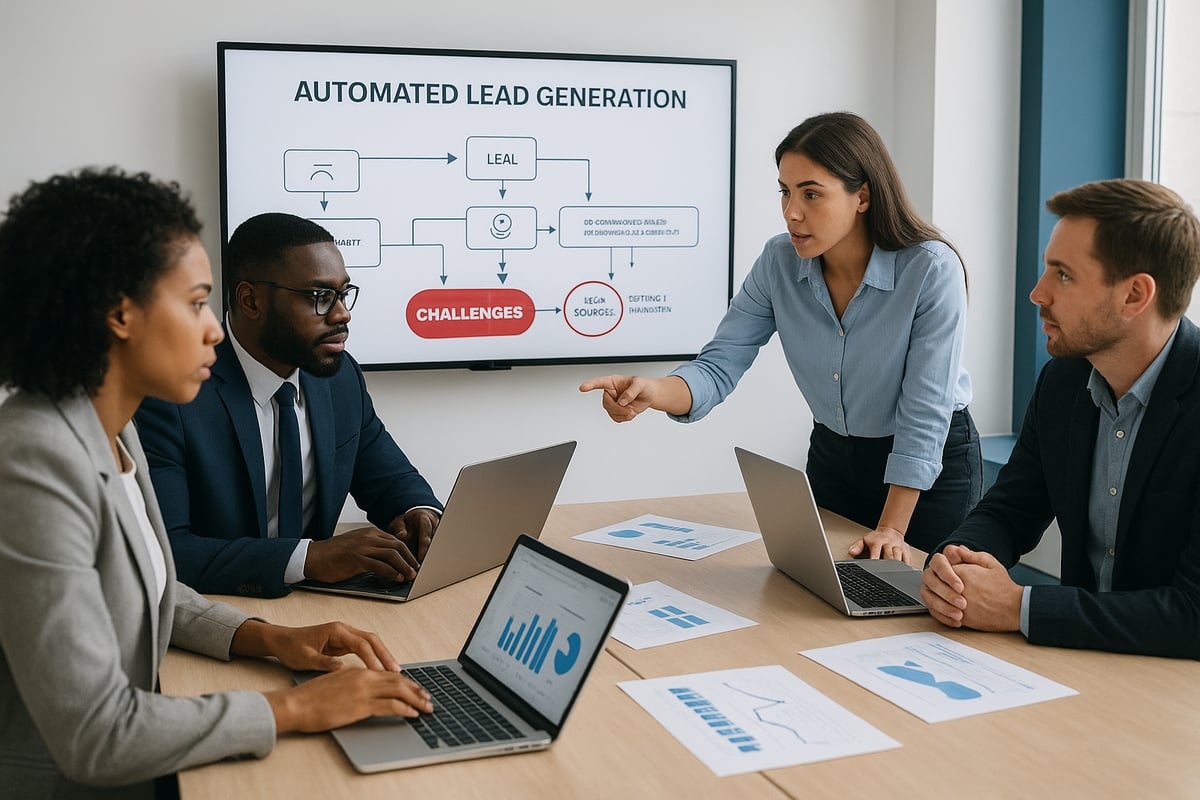
The road to effective automated lead generation is rarely smooth. Several pitfalls can undermine results if not proactively managed:
- Data quality issues: Outdated or inaccurate data can lead to wasted outreach and poor targeting.
- Impersonal or spammy messaging: Over-automation risks alienating prospects if communications lack a human touch.
- Integration complexity: Disconnected systems create data silos and manual workarounds.
- Regulatory compliance: Failing to align with GDPR, CCPA, and other privacy laws can cause reputational and financial harm.
- Change management hurdles: Staff may resist new tools or lack proper training.
- Automation fatigue: Audiences may tune out if bombarded with repetitive or irrelevant messages.
| Challenge | Impact | Solution |
|---|---|---|
| Data quality | Poor targeting, lost leads | Regular audits, enrichment, analytics tools |
| Integration complexity | Data silos, inefficiency | Unified platforms, strong APIs |
| Compliance | Legal risk, distrust | Stay updated, privacy-first automation |
| Impersonal messaging | Low engagement, opt-outs | Personalization, human review |
| Change management | Low adoption, errors | Training, clear communication |
Maintaining data accuracy is foundational for every automated lead generation initiative. Leveraging data analytics in marketing automation can help teams identify gaps, validate sources, and ensure that automated flows operate on reliable information.
Integration also presents a significant hurdle. Many businesses juggle multiple tools, resulting in fragmented data and inconsistent customer journeys. Investing in platforms with robust APIs and native integrations streamlines the process and reduces manual intervention.
Compliance with privacy regulations is another non-negotiable. Automated lead generation must incorporate privacy-first practices, such as explicit consent, transparent data usage, and easy opt-out mechanisms. Regularly reviewing regulatory updates helps avoid costly missteps.
Change management deserves equal attention. Employees need training and support to confidently adopt new automation solutions. Encouraging feedback, celebrating quick wins, and appointing automation champions can smooth the transition.
Finally, continuous monitoring is essential. Watch for errors, system failures, or signs of automation fatigue in your audience. Adapt messaging cadence and content to keep interactions relevant and valuable.
To stay ahead, organizations should routinely review their automated lead generation strategies, embrace feedback, and invest in ongoing optimization. Proactive problem-solving ensures automation delivers on its promise: higher lead quality, greater efficiency, and sustained growth.
Future Trends: The Next Frontier in Automated Lead Generation
Staying competitive with automated lead generation means looking beyond today’s best practices and preparing for tomorrow’s breakthroughs. As 2026 approaches, several powerful trends are set to redefine how organizations attract, nurture, and convert leads using automation.

What’s Coming in 2026 and Beyond
The landscape of automated lead generation is rapidly evolving. Generative AI is emerging as a game changer, enabling businesses to deliver personalized content and messaging at scale. This technology creates tailored emails, landing pages, and chatbot responses, adapting in real time to each lead’s behavior and preferences.
Voice assistants and conversational commerce are also gaining ground. Prospects now expect seamless interactions across devices, from smart speakers to messaging apps. Companies adopting these channels are reaching leads in new, more natural ways.
Predictive intent data will further transform automated lead generation. By analyzing digital footprints, businesses can anticipate buyer needs and trigger timely outreach. Real-time journey mapping will allow marketing and sales teams to engage leads at the right moment, improving both speed and relevance.
Here are the key trends shaping the next frontier:
- Generative AI for content and messaging: Crafting hyper-personalized interactions that boost engagement.
- Conversational AI and voice assistants: Meeting leads where they are, in their preferred channels.
- Predictive analytics and intent data: Anticipating needs and optimizing timing.
- Unified sales and marketing operations: Deep integration for seamless lead handoff and nurturing.
- Privacy-first automation: Leveraging zero-party data and respecting evolving regulations.
Early adopters of generative AI chatbots are already seeing faster qualification and higher engagement. In fact, AI-driven chatbots increase lead engagement by 50%, showing how automation is not just about efficiency but also about deeper connections.
As the shift moves from lead volume to lead quality, businesses must focus on smarter, not just more, automated lead generation. Staying ahead requires ongoing investment in emerging technologies, frequent process reviews, and a culture ready to embrace change.
The future of automated lead generation will reward those who innovate, adapt, and prioritize meaningful engagement over mass outreach. Are you prepared to lead the way?
Jean runs growth strategy at AimSetWin, a performance marketing agency specializing in local service businesses across Texas. he's helped plumbers, HVAC companies, pest control operators, and home service brands build predictable revenue systems using data-driven advertising and conversion optimization.


