
Learn how automation transforms HVAC operations for Texas businesses. Discover types, real-world applications, and risks—plus strategies for re-engaging clients.
Finding ways to re-engage past clients and fill your job schedule can feel like a constant battle for Texas HVAC business owners. As client lists grow and demands shift, the need for efficient solutions only becomes more urgent. By exploring intelligent control systems and modern automation strategies, this guide reveals practical concepts to help you streamline operations, drive revenue recovery, and transform how you reconnect with clients throughout Texas.
Table of Contents
- Defining HVAC Automation and Core Concepts
- Major Types of HVAC Automation Systems
- How Automation Drives Revenue Recovery
- Real-World HVAC Automation Use Cases in Texas
- Risks, Common Mistakes, and Compliance Issues
Key Takeaways
| Point | Details |
|---|---|
| HVAC Automation Enhances Efficiency | Intelligent control systems dynamically adjust HVAC parameters, reducing energy consumption and improving comfort with minimal human intervention. |
| Diverse System Types Address Unique Needs | Different HVAC automation systems, such as Unitary and Multi-Zone, cater to various environments, optimizing performance based on individual requirements. |
| Revenue Recovery through Automation | Implementing predictive maintenance and energy optimization strategies can lead to significant cost savings and improved operational efficiency. |
| Navigating Compliance Risks | Understanding regulatory requirements and ensuring proper training are essential to avoid common pitfalls and maintain operational integrity in HVAC automation. |
Defining HVAC Automation and Core Concepts
HVAC automation represents a sophisticated technological approach transforming how heating, ventilation, and air conditioning systems operate in residential and commercial environments. At its core, automation enables intelligent control systems that dynamically adjust temperature, airflow, and energy consumption with minimal human intervention.
The fundamental components of HVAC automation include:
- Sensors: Environmental monitoring devices tracking temperature, humidity, and air quality
- Controllers: Digital systems processing sensor data and making operational decisions
- Actuators: Mechanical components executing temperature and airflow adjustments
- Communication Networks: Protocols enabling seamless information exchange between system elements
Advanced HVAC control systems integrate multiple technologies to create responsive, efficient environments. These systems continuously compare actual environmental conditions against predefined parameters, automatically making real-time adjustments to maintain optimal comfort and energy efficiency.
Building Automation Systems (BAS) represent the pinnacle of HVAC automation, enabling centralized monitoring and management across entire facilities. These comprehensive platforms allow building managers to:
- Track energy consumption in real-time
- Implement predictive maintenance strategies
- Remotely control multiple HVAC zones
- Generate detailed performance reports
Pro Tip: Invest in training your technical team to understand and leverage HVAC automation technologies for maximum operational efficiency and client satisfaction.
Major Types of HVAC Automation Systems
HVAC automation systems represent a diverse landscape of technological solutions designed to optimize environmental control across residential, commercial, and industrial settings. Control system architectures range from simple standalone units to complex networked environments that provide comprehensive management of heating, cooling, and ventilation processes.
The primary categories of HVAC automation systems include:
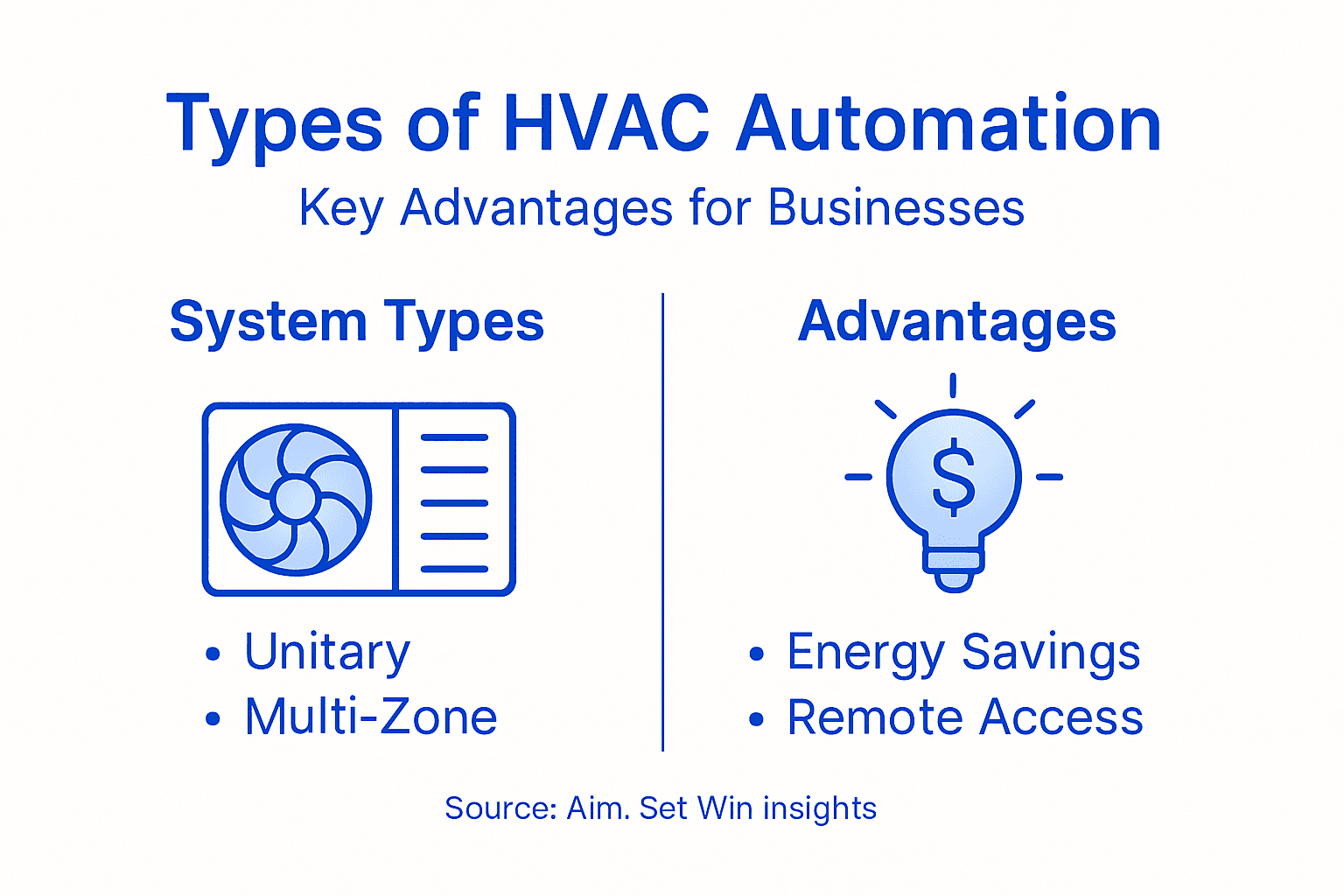
- Unitary Systems: Self-contained units with integrated control mechanisms
- Multi-Zone Systems: Complex configurations managing multiple environmental spaces simultaneously
- Central Plant Systems: Large-scale solutions controlling entire facility infrastructures
- Variable Air Volume (VAV) Systems: Dynamic airflow management based on real-time demand
Each automation system type offers unique advantages depending on the specific application environment. Unitary systems work best in smaller spaces like individual rooms or residential units, while central plant systems provide comprehensive control for large commercial and industrial facilities. Multi-zone systems enable precise temperature management across different areas with varying environmental requirements.
Here’s a summary of the major HVAC automation system types and where each excels:
| System Type | Ideal Setting | Key Advantage |
|---|---|---|
| Unitary System | Small spaces, homes | Simple setup and low cost |
| Multi-Zone System | Offices, schools | Precise zoning flexibility |
| Central Plant System | Large facilities, campuses | Centralized control efficiency |
| VAV System | Commercial buildings | Energy savings with demand control |
The technological backbone of these systems typically involves direct digital control (DDC) mechanisms that enable real-time monitoring, adjustment, and optimization of HVAC performance. These intelligent systems continuously collect data from multiple sensors, process environmental information, and make instantaneous decisions to maintain optimal comfort and energy efficiency.
Pro Tip: Conduct a comprehensive facility assessment to determine the most appropriate HVAC automation system type that matches your specific operational requirements and budget constraints.
How Automation Drives Revenue Recovery
HVAC automation has emerged as a powerful strategy for driving revenue recovery by transforming operational efficiency and reducing unnecessary expenses. Model-based reinforcement learning enables businesses to optimize energy consumption and create significant cost savings across their entire operational infrastructure.
The key mechanisms through which automation generates revenue recovery include:
- Predictive Maintenance: Identifying potential equipment failures before they occur
- Energy Optimization: Reducing operational costs through intelligent system management
- Performance Tracking: Continuous monitoring of system efficiency and performance metrics
- Demand-Based Adjustments: Real-time modifications to HVAC operations based on actual usage
Advanced automation technologies go beyond simple temperature control, providing comprehensive solutions that directly impact financial performance. By implementing intelligent control systems, HVAC businesses can dramatically reduce operational expenses while simultaneously improving customer satisfaction and system reliability.
The economic benefits of HVAC automation are substantial, with businesses experiencing significant cost reductions through precise environmental management. Intelligent systems can adjust cooling and heating parameters dynamically, ensuring optimal comfort while minimizing energy waste and associated expenses.
The table below highlights financial and operational benefits from HVAC automation strategies:
| Benefit Area | Direct Impact | Example Result |
|---|---|---|
| Predictive Maintenance | Fewer unexpected breakdowns | Reduced repair expenses |
| Energy Optimization | Lower utility consumption | Monthly cost savings |
| Performance Tracking | Improved system reliability | Longer equipment lifespan |
| Demand-Based Adjustments | Minimized waste | Higher overall efficiency |
Pro Tip: Implement a comprehensive data tracking system that measures both energy consumption and system performance to quantify the direct financial impact of your HVAC automation strategies.
Real-World HVAC Automation Use Cases in Texas
HVAC technology programs in Texas are demonstrating the transformative potential of automation across diverse industrial and commercial environments. From large metropolitan areas like Houston and Dallas to smaller industrial centers, automation is revolutionizing how businesses manage environmental control systems.
Key real-world automation applications in Texas include:
- Commercial Office Buildings: Integrated systems managing complex multi-zone temperature controls
- Healthcare Facilities: Precision environmental management with critical air quality monitoring
- Manufacturing Plants: Energy-efficient climate control synchronized with production schedules
- Educational Institutions: Smart campus-wide HVAC networks reducing operational expenses
- Data Centers: Thermal management systems preventing equipment overheating
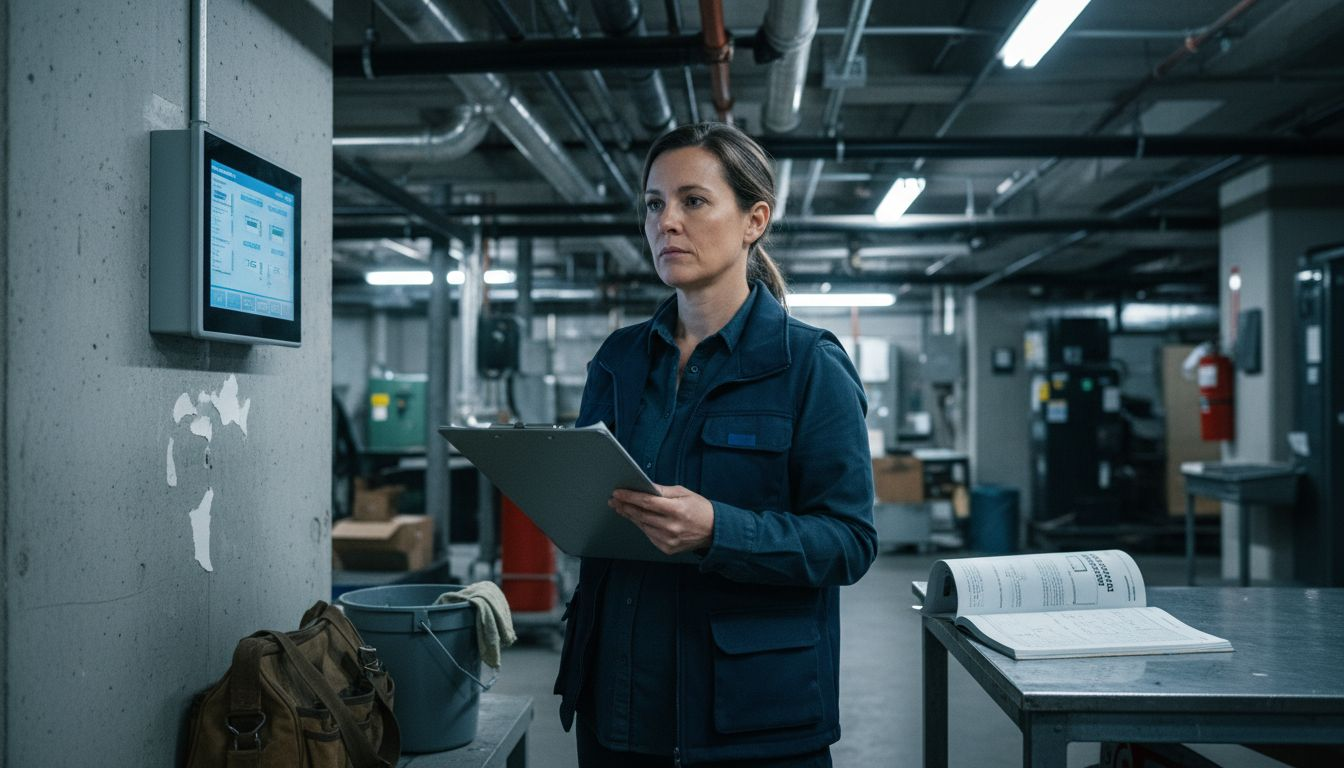
Texas’s unique climate demands sophisticated automation strategies that can handle extreme temperature variations. Advanced HVAC systems now utilize machine learning algorithms to predict and adjust environmental conditions, dramatically reducing energy consumption and operational costs for businesses across multiple sectors.
The economic impact of these automation technologies extends beyond immediate energy savings. By implementing intelligent HVAC control systems, Texas businesses can significantly improve equipment longevity, reduce maintenance expenses, and create more comfortable working environments that enhance overall productivity.
Pro Tip: Conduct a comprehensive energy audit to identify specific automation opportunities that can generate the most significant cost savings for your unique operational environment.
Risks, Common Mistakes, and Compliance Issues
Regulatory actions on HVAC technologies are creating complex compliance landscapes for businesses implementing automation systems. Understanding these potential risks is crucial for maintaining operational integrity and avoiding costly legal and financial penalties.
Common risks and mistakes in HVAC automation implementation include:
- Inadequate Refrigerant Compliance: Failing to meet EPA phase-down requirements
- Cybersecurity Vulnerabilities: Weak network protections in automated systems
- Improper System Integration: Misconfigured controls leading to inefficient performance
- Overlooked Training Requirements: Insufficient staff knowledge of new technologies
- Incomplete Documentation: Lack of proper maintenance and operational records
The most significant compliance challenges typically arise from environmental regulations and safety standards. HVAC businesses must carefully navigate complex requirements that impact refrigerant usage, system design, and operational protocols. Misunderstandings or deliberate non-compliance can result in substantial financial penalties and potential legal actions.
Technical risks extend beyond regulatory concerns, encompassing potential system failures, data security breaches, and operational inefficiencies. Automated HVAC systems require robust monitoring, regular updates, and comprehensive staff training to mitigate these potential vulnerabilities and ensure consistent performance.
Pro Tip: Develop a comprehensive compliance checklist that includes regular audits, staff training programs, and systematic documentation to proactively address potential regulatory and technical risks.
Unlock Higher Revenue and Efficiency with Proven HVAC Automation Strategies
The article highlights how HVAC automation drives revenue recovery through energy optimization, predictive maintenance, and demand-based adjustments. If you are aiming to overcome challenges like inefficient system management or missed revenue opportunities, then leveraging intelligent automation alongside expert revenue recovery systems is essential. Concepts such as real-time performance tracking and operational cost reduction directly align with our focus on turning existing demand into booked jobs without costly ad spend.
Take control of your HVAC business growth by integrating technology with proven business systems. Explore our HVAC Archives – Aim Set Win for insights tailored to your industry.

Boost your operational efficiency and financial performance by partnering with Aim Set Win. We install quiet, reliable Revenue Recovery Systems that re-engage past customers within 30 days or less and build scalable growth processes. Start turning your automation potential into measurable revenue today. Visit us now at https://aimsetwin.com to discover how to create predictable, lasting growth.
Frequently Asked Questions
What is HVAC automation?
HVAC automation is the use of advanced technology to control heating, ventilation, and air conditioning systems, enabling intelligent adjustments to temperature, airflow, and energy consumption with minimal human intervention.
How does HVAC automation contribute to energy savings?
HVAC automation optimizes energy use through real-time adjustments based on environmental conditions and occupancy levels, reducing unnecessary energy consumption and lowering utility costs.
What are the main types of HVAC automation systems?
The main types of HVAC automation systems include unitary systems, multi-zone systems, central plant systems, and variable air volume (VAV) systems, each suited for different environments and control needs.
What are the benefits of predictive maintenance in HVAC automation?
Predictive maintenance helps identify potential equipment failures before they occur, reducing repair expenses, enhancing system reliability, and extending equipment lifespan.
Recommended
- 7 Types of HVAC Marketing Strategies for Reliable Growth
- HVAC Industry Trends 2026: Growth, AI, and Revenue Impact
- 7 Steps HVAC Marketing Checklist 2026 for Revenue Growth
- 7-Step HVAC Marketing Checklist for Booking High-Value Jobs
Jean runs growth strategy at AimSetWin, a performance marketing agency specializing in local service businesses across Texas. he's helped plumbers, HVAC companies, pest control operators, and home service brands build predictable revenue systems using data-driven advertising and conversion optimization.


