
Master conversion digital success in 2026 with proven strategies, data-driven insights, and actionable tactics to boost ROI and optimize every stage of your funnel.
Picture the digital marketing world of 2026, where every click counts and only the most conversion digital strategies set brands apart. As competition intensifies, the pain of wasted ad budgets and missed opportunities becomes sharper for those without a clear plan.
Achieving sustainable growth now demands a relentless focus on conversion digital results. Businesses that master this art see real ROI and outpace their rivals.
In this guide, discover actionable insights, future-ready tactics, and proven frameworks designed to help you win at every stage of your digital funnel in 2026.
Understanding Digital Conversions in 2026
The concept of conversion digital is rapidly evolving as we move deeper into 2026. Businesses are no longer limited to counting purchases or form submissions. Instead, they are tracking a diverse set of meaningful actions that reflect true engagement and value across every digital touchpoint.
Defining Digital Conversion: Beyond the Basics
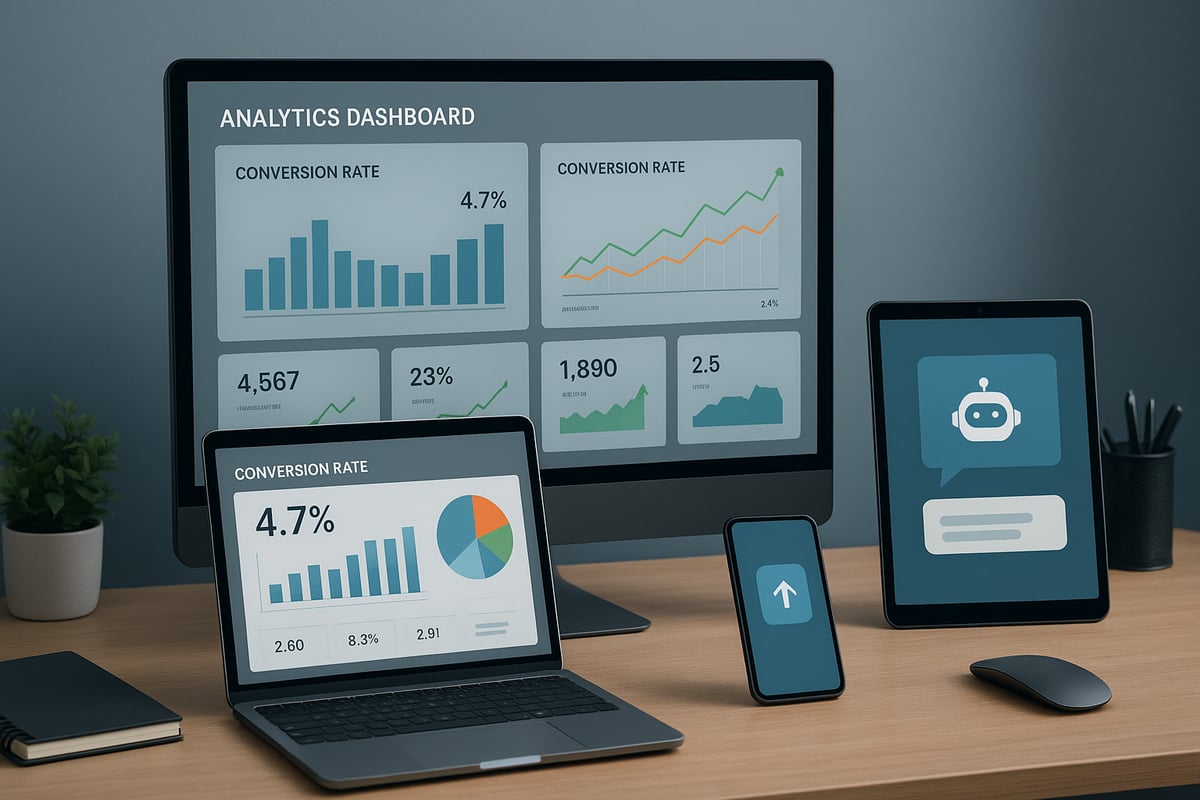
At its core, a conversion digital refers to any action you want your website or app visitor to take. This might include making a purchase, submitting a lead form, signing up for a newsletter, downloading an app, or even interacting with a chatbot. The definition has expanded in 2026, now covering both macro conversions (primary goals like sales or completed bookings) and micro conversions (secondary actions such as email signups, adding to cart, or engaging with interactive content).
Here’s a quick comparison:
| Conversion Type | Example Actions | Strategic Value |
|---|---|---|
| Macro Conversion | Purchase, paid subscription | Direct revenue |
| Micro Conversion | Newsletter signup, video play | Nurtures future sales |
| Emerging Conversion | Voice search action, AI chat | Early engagement, data |
With the rise of omnichannel experiences, conversion digital can now be tracked seamlessly across devices and platforms. For instance, a user might start research on mobile, continue engagement via chatbot, and complete a purchase on desktop. New conversion types are also emerging as technology advances, such as voice-activated commands or AI-driven chat completions.
Industry data shows the average conversion digital rate is about 2.35 percent, but top performers achieve 5 percent or higher. For detailed benchmarks across industries, see the latest Digital Marketing Conversion Rates 2026.
Defining clear conversions is essential. It ensures you can set up accurate tracking and optimize your funnel. For example, configuring event tracking in Google Analytics might look like:
gtag('event', 'signup', { 'method': 'newsletter_form' });
This level of precision enables you to identify which actions truly drive value and where users might be dropping off.
Why Conversions Matter: The Business Impact
The impact of conversion digital success goes far beyond a simple uptick in sales. Every conversion directly contributes to revenue growth and a healthy return on investment. When your conversion digital rate is high, you spend less on wasted clicks and more on acquiring real customers.
Conversions are also a critical key performance indicator for any digital marketing campaign. Businesses that prioritize conversion digital optimization have seen up to 24 percent increases in sales, as demonstrated by leading e-commerce brands. These improvements are not limited to sales—lead generation and customer retention both benefit from a strong conversion-focused approach.
Additionally, conversion digital insights guide strategic decisions. When you know which channels, messages, or offers lead to action, you can refine your campaigns and allocate budget more effectively. This continuous improvement cycle allows you to adapt quickly to changing consumer behaviors and market trends.
In 2026, the importance of conversion digital cannot be overstated. It is the metric that ties your marketing efforts directly to measurable business outcomes, ensuring you stay ahead in an increasingly competitive landscape.
Conversion Metrics & Tracking: The Data-Driven Foundation
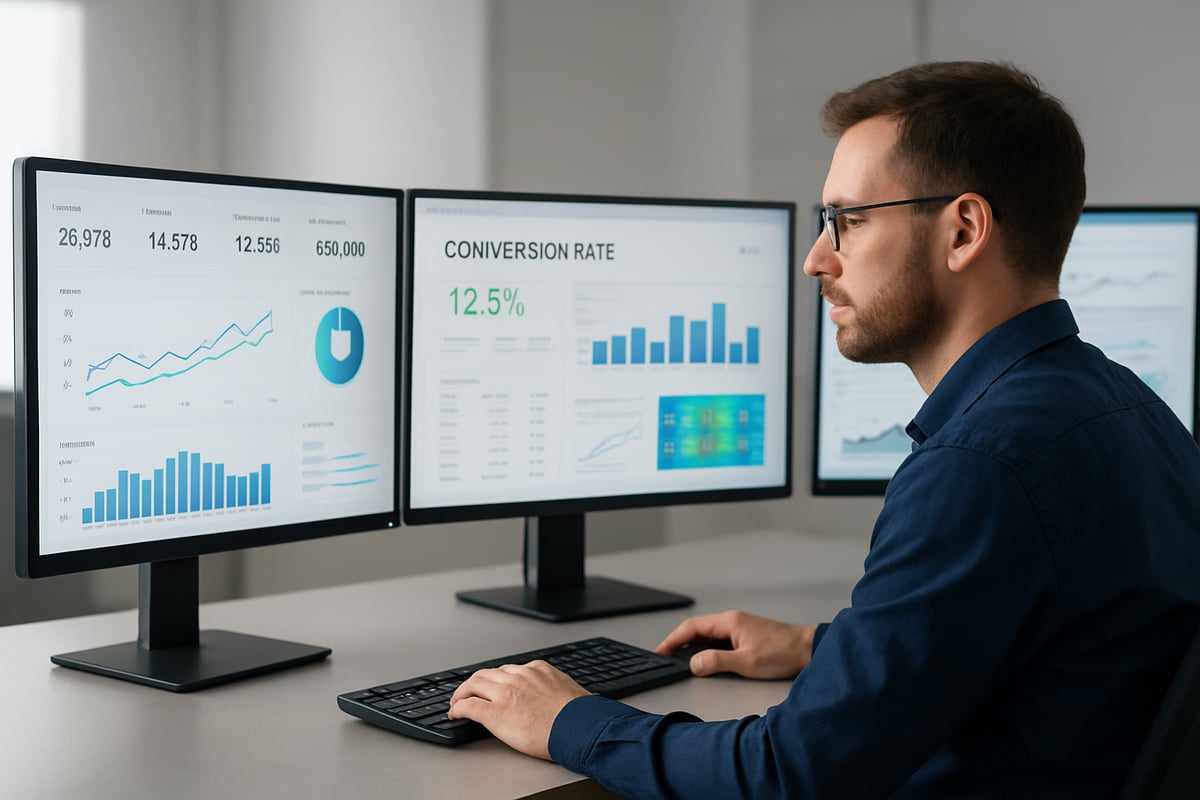
In the fast-paced world of conversion digital, data is your compass. Without the right metrics and tracking systems, even the most creative campaigns can lose direction. Understanding which numbers matter, and how to interpret them, is the first step toward mastering your conversion digital strategy for 2026.
Essential Metrics: What to Measure and Why
The foundation of every successful conversion digital campaign starts with knowing which metrics drive performance. Three of the most critical are:
| Metric | Definition | Formula | Why It Matters |
|---|---|---|---|
| Conversion Rate (CR) | % of visitors who complete a desired action | (Conversions / Visitors) x 100 | Measures effectiveness of conversion digital |
| Click-Through Rate (CTR) | % of users clicking a link or CTA | (Clicks / Impressions) x 100 | Gauges ad and content engagement |
| Cost Per Acquisition (CPA) | Cost to acquire one conversion | Total Spend / Number of Conversions | Assesses efficiency and ROI |
For conversion digital, tracking both macro conversions (like purchases) and micro conversions (such as newsletter signups) is essential. Industry benchmarks indicate an average conversion rate of 2.35%, while top-performing sites exceed 5%. Video thumbnails can boost CTR by up to 300%, making creative assets a powerful lever.
As we approach 2026, advanced metrics are gaining traction. Multi-touch attribution models reveal which channels truly drive results, while Customer Lifetime Value (CLV) helps forecast long-term impact. Engagement scoring, which tracks user interactions across touchpoints, is also vital for a holistic view of conversion digital performance.
Keeping a close eye on these metrics ensures every campaign is optimized and every opportunity is measured. This data-driven mindset is what separates top performers in conversion digital from the rest.
Tools & Techniques for Tracking Conversions
To turn insights into action, robust tracking tools are non-negotiable. For conversion digital, start with essentials like Google Analytics, Facebook Pixel, and Google Ads Conversion Tracking. These platforms let you define goals, set up event tracking, and monitor user journeys in detail.
Setting up tracking involves a few key steps:
- Define clear conversion goals in your analytics platform.
- Install tracking codes or pixels on relevant site pages.
- Configure events for every desired action, from purchases to downloads.
Heatmaps and session recordings reveal where users click, scroll, or drop off, helping you pinpoint bottlenecks. Cross-device and cross-channel tracking is especially important for conversion digital in 2026, as customers increasingly move between mobile, desktop, and social platforms.
Privacy regulations are reshaping the landscape. Adopting first-party data strategies and respecting user consent is critical for accurate conversion digital measurement. For deeper insight into why some websites underperform, explore Why Your Website Isn’t Converting, which breaks down common mistakes and actionable fixes.
With the right tools and diligent tracking, your conversion digital efforts become a repeatable, scalable process. Data empowers you to spot opportunities, refine tactics, and maximize results at every stage.
Key Factors Influencing Digital Conversion Rates
In 2026, optimizing your conversion digital strategy requires a deep understanding of the elements that move visitors from browsers to buyers. Let’s break down the essential factors that shape digital conversion rates and how you can leverage each for better results.
Website Design & User Experience (UX)
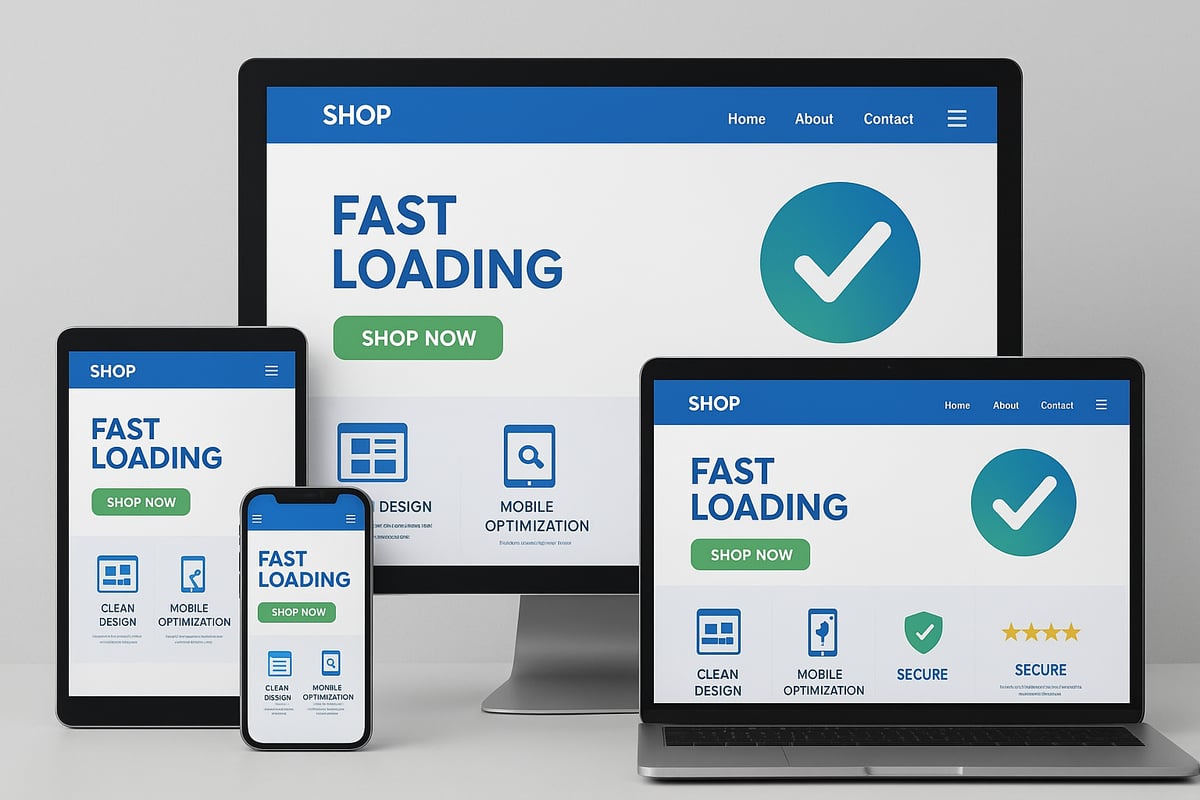
A seamless user experience is fundamental to achieving high conversion digital rates. Clean layouts, intuitive navigation, and consistent branding foster trust and make it easy for visitors to take action. Even small delays can hurt performance: Amazon found that a 100 ms delay in load time results in a 1% drop in sales.
Visual appeal matters, too. Bear Mattress saw a 24% lift in conversions after updating their design and imagery. Tools like heatmaps and A/B testing help identify which elements engage users and where they drop off.
To maximize your conversion digital performance, prioritize user-centric design and test improvements regularly.
Content Quality & Relevance
Content is the engine that drives trust and engagement in any conversion digital journey. High-quality, relevant content addresses user needs, answers questions, and positions your brand as a solution.
Clear value propositions and benefit-driven messaging are essential. Examples include targeted landing pages, insightful blog posts, and educational videos. Competitor data consistently shows that detailed, keyword-rich content increases both engagement and conversion digital rates.
Regularly audit your site’s content to ensure it remains aligned with audience intent and market trends.
Calls-to-Action (CTAs)
Strong CTAs are critical for guiding users toward conversion digital goals. Effective CTAs stand out with clear language, compelling design, and strategic placement. Examples like “Buy Now,” “Download Free Guide,” and limited-time offers create urgency and encourage immediate action.
Techniques such as FOMO and countdown timers have proven effective. For instance, Obvi achieved a 7.97% increase in popup conversion rates using countdown timers. Always A/B test CTA copy, colors, and placement to find what resonates best with your audience.
Focus on clarity and directness to turn interest into action within your conversion digital funnel.
Site Speed, Mobile Optimization & Technical Performance
Fast site speed and flawless technical performance are non-negotiable for optimal conversion digital outcomes. Studies show that delays in load time can quickly erode conversion rates. With mobile traffic dominating in 2026, a mobile-first approach is essential.
Technical best practices include using a CDN, compressing images, and ensuring secure HTTPS connections. Regular monitoring and quick fixes prevent technical issues from sabotaging conversion digital potential. For an in-depth look at technical optimizations, see Technical SEO for Faster Conversions.
Staying proactive with site performance ensures a smooth path to conversion digital success.
Trust Signals & Social Proof
Trust signals are the backbone of any high-performing conversion digital strategy. Elements like customer reviews, testimonials, security badges, and transparent privacy policies reassure visitors and reduce hesitation.
Competitors leverage social proof by highlighting best-sellers, displaying Trustpilot or Yelp ratings, and sharing customer case studies. These tactics increase credibility and encourage visitors to convert.
Integrate visible trust signals throughout your site to build confidence and maximize your conversion digital rate.
Proven Strategies to Increase Digital Conversions
In the fast-evolving 2026 landscape, mastering conversion digital strategies is crucial for staying ahead. Success depends on a blend of experimentation, personalization, streamlined processes, compelling incentives, and optimized content. Let us explore the most effective methods to elevate your conversion digital performance and maximize ROI.

A/B Testing & Experimentation
A/B testing remains a pillar of conversion digital optimization. By comparing two versions of a webpage, headline, or call to action, businesses can identify what resonates best with users. The process involves setting a hypothesis, creating variants, and measuring which option drives more conversions.
For example, Crown & Paw boosted orders by 16% through headline experimentation. Essential tools like Optimizely, Google Optimize, and platform-native testing make this process accessible.
Consider testing:
- Headlines and value propositions
- Images and visual layouts
- CTA placement and design
- Special offers or incentives
Consistent experimentation ensures your conversion digital strategy adapts to changing user behaviors and market trends.
Personalization at Scale
Personalization is a game changer for conversion digital results in 2026. Leveraging dynamic content, tailored recommendations, and targeted messaging, brands can create more relevant experiences for each visitor.
AI and automation enable real-time personalization based on user behavior, location, or purchase history. Brands like Millie N Me use product recommendation popups, while The Turmeric Co. offers tiered discounts to segmented audiences.
Effective personalization tactics include:
- Dynamic product suggestions
- Personalized email content
- Location-based offers
- Automated follow-ups
Personalization not only improves immediate conversion digital outcomes but also builds long-term customer loyalty.
Simplifying the Conversion Process
Reducing friction is vital for boosting conversion digital rates. Every extra form field or unnecessary step increases the risk of abandonment. Streamline your conversion funnel by minimizing barriers and making it easy for users to take action.
Practical ways to simplify:
- Use progress indicators for multi-step forms
- Enable autofill and guest checkout options
- Limit required fields to essentials
- Offer one-click actions where possible
Vegetology achieved a 13.8% conversion rate with a single-field email popup. Simplification leads to smoother journeys, higher satisfaction, and improved conversion digital performance.
Offering Incentives & Creating Urgency
Strategic incentives and urgency triggers can significantly enhance conversion digital metrics. Discounts, free trials, exclusive content, and limited-time offers motivate users to act quickly.
Psychological triggers like scarcity and FOMO (fear of missing out) are effective. For instance, Obvi used countdown timers to increase popup conversion rates by 7.97%.
Types of incentives:
- Percentage discounts or free shipping
- Early access to new products
- Free resources or trials
- Time-limited promotions
Integrate incentives with audience segmentation for maximum impact on conversion digital goals.
Leveraging Content for Conversion
High-quality, relevant content is foundational to conversion digital growth. Engaging blog posts, videos, and educational resources attract and nurture qualified leads. Effective content answers user questions, builds trust, and guides visitors toward action.
Best practices include:
- Keyword-rich, informative blog articles
- Targeted landing page copy with clear CTAs
- Interactive content like 360° videos or quizzes
- Lead magnets such as downloadable guides
For more detailed tactics, review Content Strategies That Boost Conversions to further enhance your conversion digital approach with proven content-driven methods.
Consistent, strategic content not only improves conversion digital rates but also strengthens your brand authority.
Advanced Conversion Optimization Tactics for 2026
As the digital landscape evolves, businesses must embrace advanced tactics to achieve superior conversion digital results. In 2026, optimization is no longer about guesswork. It relies on intelligent automation, seamless user experiences across channels, actionable data insights, and strategies that adapt to future trends.
Harnessing AI and Automation
Artificial intelligence is at the heart of conversion digital optimization in 2026. AI-driven tools predict user behavior, personalize experiences, and automate campaign adjustments in real time. Marketers now use machine learning to segment audiences, recommend products, and optimize messaging based on individual preferences.
AI-powered chatbots are transforming how businesses engage visitors. These bots answer questions instantly, guide users through purchase decisions, and even collect feedback. Recommendation engines leverage data to suggest relevant products, boosting conversion digital outcomes.
Dynamic content delivery means every user sees messaging tailored to their journey. Automation platforms update offers, headlines, and visuals based on real-time triggers.
To stay ahead, marketers integrate AI tools into their existing tech stack, ensuring seamless data flow. For a deeper look at how AI and automation are reshaping strategies, see AI’s Impact on Digital Marketing.
Smart brands harness predictive analytics to anticipate needs and deploy resources efficiently, setting new benchmarks for conversion digital success.
Multi-Channel & Omnichannel Conversion Strategies
Customers no longer interact with brands on a single channel. In 2026, successful conversion digital strategies require a seamless experience across web, mobile, social, and even offline touchpoints.
Omnichannel marketing ensures users receive consistent messaging wherever they engage. For example, a shopper might see a Facebook ad, visit a website on mobile, and complete a purchase on desktop. Cross-device retargeting keeps campaigns connected, increasing the likelihood of conversion digital actions.
Unified data platforms track these journeys, attributing conversions accurately. This helps marketers understand which channels drive the best results and where to allocate budget. Starbucks, for instance, achieved impressive app downloads by blending social media engagement with in-store promotions.
Key elements of omnichannel success include:
- Consistent branding and messaging
- Personalized offers based on channel behavior
- Real-time inventory and availability updates
By mastering omnichannel orchestration, brands maximize every conversion digital opportunity and enhance customer loyalty.
Data-Driven Decision Making & Continuous Improvement
Data is the foundation of any effective conversion digital strategy. In 2026, advanced analytics tools provide granular insights into user behavior, campaign performance, and site interactions.
Marketers rely on Google Analytics, heatmaps, and session recordings to identify where users drop off or hesitate. By analyzing these patterns, teams prioritize changes that deliver the highest impact on conversion digital rates.
A test-and-learn culture is essential. Regular A/B testing of headlines, layouts, and offers reveals what truly resonates. For example, companies like Dollar Shave Club improved results by segmenting audiences and tailoring emails.
Continuous improvement means reviewing metrics, acting on insights, and iterating quickly. Engagement scoring, multi-touch attribution, and customer lifetime value are now standard metrics for measuring conversion digital performance.
Leaders in the field foster collaboration between marketing, design, and data teams, ensuring every decision is informed by evidence.
Future-Proofing Conversion Strategies
The future of conversion digital optimization demands agility. Privacy regulations, evolving consumer expectations, and new technologies require adaptable strategies.
Marketers must embrace privacy-first tracking methods, relying more on first-party and zero-party data. Flexible frameworks allow teams to adjust quickly as platforms and algorithms change.
Emerging trends such as voice search conversions, AI-generated content, and automated CRO suggestions are shaping what comes next. Staying informed through ongoing education and industry updates is critical.
To future-proof conversion digital efforts:
- Invest in scalable, modular tech stacks
- Monitor regulatory changes closely
- Encourage cross-functional learning and experimentation
Brands that anticipate shifts and innovate continuously will lead the way in conversion digital performance, securing long-term success.
Case Studies & Real-World Examples
In the evolving landscape of conversion digital, real-world examples offer the most practical lessons. Businesses that have embraced data-driven strategies, user-centric design, and innovative technology continue to set the benchmark for conversion digital success. These case studies highlight how industry leaders are optimizing their digital funnels, improving ROI, and shaping the future of conversion digital performance.
E-commerce Conversion Optimization: Bear Mattress
Bear Mattress stands as a compelling example of conversion digital excellence in e-commerce. Facing stagnant growth, the brand overhauled its website, prioritizing high-impact visuals, user-centric copy, and a streamlined cross-selling layout. These changes were not cosmetic; they were rooted in rigorous analysis of user behavior and feedback.
The result was a 24.18% increase in purchases, a testament to the power of targeted conversion digital strategies. The team leveraged A/B testing to refine imagery and messaging, ensuring every element supported the user’s journey. This case demonstrates the measurable business impact of investing in conversion digital optimization.
| Change Implemented | Impact on Conversion Digital |
|---|---|
| Visual Redesign | Increased trust, clarity |
| Improved Copy | Higher engagement |
| Cross-sell Layout | Boosted average order value |
Bear Mattress’s success story illustrates how continuous improvement in conversion digital can drive significant results.
Effective Email Campaigns: Dollar Shave Club
Dollar Shave Club’s approach to conversion digital in email marketing highlights the importance of relevance and personalization. By segmenting their lists and crafting tailored messages for each audience segment, they created campaigns that resonated deeply with subscribers.
This method led to a remarkable 50% increase in conversion rates. The conversion digital process involved detailed audience analysis, personalized recommendations, and strategic calls-to-action. Each campaign was tracked and refined based on performance data, reflecting a commitment to ongoing optimization.
Lessons from Dollar Shave Club show that conversion digital is not just about volume, but about delivering the right message to the right person at the right time.
Social Media Engagement: Starbucks
Starbucks leveraged social media as a powerful driver of conversion digital outcomes. Through interactive polls, engaging content, and seamless integration with their mobile app, Starbucks fostered higher engagement and encouraged app downloads.
Their conversion digital strategy focused on meeting customers where they are and providing incentives for digital interaction. The results were clear: increased social engagement and a notable uptick in app-based conversions. Starbucks demonstrates how a brand can unify social and digital channels for greater impact.
For more on how AI is transforming digital advertising and boosting conversion digital rates, see AI’s Impact on Digital Advertising.
Additional Examples & Lessons Learned
Beyond these flagship cases, several other brands have excelled in conversion digital tactics. ASOS introduced 360° product videos, enhancing user confidence and increasing engagement. Millie N Me implemented dynamic product popups, while The Turmeric Co. used personalized tiered discounts to boost conversions.
Key patterns emerge from these examples:
- Personalization and relevance are critical in conversion digital.
- A/B testing and iterative design drive measurable improvements.
- User-centric strategies consistently outperform generic approaches.
By studying these conversion digital leaders, businesses can extract actionable insights for their own digital growth journeys.
Frequently Asked Questions About Digital Conversions
Navigating the world of conversion digital strategies can raise many questions for marketers and business owners. Here are clear answers to the most common topics on digital conversions.
What is a digital conversion in marketing?
A digital conversion is any desired action a visitor takes on your website, like making a purchase, filling out a form, or subscribing to a newsletter.
How do I calculate my website’s conversion rate?
Divide the number of conversions by total visitors, then multiply by 100. For example, 10 sales from 500 visitors equals a 2% conversion rate.
What are the most effective ways to improve conversions in 2026?
Focus on user experience, relevant content, and powerful CTAs. Leveraging AI tools, as explored in AI in Digital Marketing 2025, can also boost your conversion digital strategies.
Which tools are best for tracking conversions?
Popular tools include Google Analytics, Facebook Pixel, and heatmap platforms for detailed insights.
How do privacy changes affect conversion tracking?
Privacy updates require businesses to prioritize first-party data and transparent consent for accurate tracking.
What’s the difference between micro and macro conversions?
Macro conversions are primary goals like sales. Micro conversions are steps along the way, such as signing up for an email list.
How often should I review and update my conversion strategies?
Review your conversion digital tactics regularly. Monthly or quarterly assessments help you adapt to changing trends and optimize results.
Jean runs growth strategy at AimSetWin, a performance marketing agency specializing in local service businesses across Texas. he's helped plumbers, HVAC companies, pest control operators, and home service brands build predictable revenue systems using data-driven advertising and conversion optimization.


