
Master local digital success in 2026 with expert strategies on SEO, geo targeted ads, reviews, and community engagement to boost visibility and grow your business.
In 2026, the local digital landscape is more competitive than ever, and standing out in your neighborhood is essential. Nearly half of all Google searches now have local intent, so your business must be visible online to win nearby customers. Consumers routinely research online before making local purchases, making your digital presence a deciding factor.
This guide is your roadmap to mastering local digital strategies that drive real results. You will discover proven tactics to boost your visibility, attract more local clients, and turn online interest into real revenue. Get ready to learn the core pillars and step-by-step actions needed for local digital success in 2026.
The Evolving Landscape of Local Digital Marketing in 2026
The local digital landscape is rapidly transforming as technology and consumer habits evolve. Businesses that once relied on foot traffic or word of mouth now face an intensely competitive online environment. To thrive in 2026, understanding the new local digital trends and challenges is essential.

Key Trends Shaping Local Digital Success
Several key trends define the local digital landscape in 2026. First, there is a surge in location-based searches. In fact, 46% of Google searches have local intent, showing that consumers are increasingly seeking businesses nearby.
Mobile and voice search are now leading the way for “near me” queries. With voice assistants becoming more common, optimizing for these platforms is no longer optional. Online reviews play a crucial role, as 75% of consumers always or regularly check reviews before making a local purchase.
Hyper-targeted, geo-fenced ads have gained popularity on platforms such as Google, Facebook, and TikTok. These ads allow businesses to reach specific neighborhoods or even streets. Local influencer partnerships and community-based marketing are growing, helping brands build trust and credibility within their areas.
AI-powered chatbots and automation streamline local customer engagement, making it easier to respond quickly to inquiries. There is also a shift toward an omni-channel presence, blending websites, social media, and directory listings to ensure a consistent local digital footprint.
Challenges and Opportunities for Local Businesses
While the local digital environment offers opportunities, it also presents new challenges. National brands are investing heavily in local SEO, increasing competition for top search positions. Consistency of business information across platforms is crucial, as discrepancies can hurt search rankings and confuse customers.
Changing privacy regulations are impacting how ads are targeted, making it important for businesses to stay compliant. However, these regulations also open doors for more genuine, permission-based marketing.
Embracing new technologies can give local businesses an edge. AI, automation, and programmatic ads improve efficiency and targeting. Adopting these tools enables smaller businesses to compete more effectively within the local digital space.
To stay ahead, businesses must focus on maintaining accurate information, adapting to privacy changes, and leveraging innovative marketing solutions. This proactive approach turns potential obstacles into opportunities for growth and stronger community ties.
Examples & Data
Real-world examples illustrate the power of a strong local digital strategy. Consider a local bakery that optimized for “best cupcakes in Arlington.” By focusing on targeted keywords and reviews, it quickly dominated local search results.
The data supports this approach:
| Statistic | Insight |
|---|---|
| 46% of Google searches have local intent | High demand for local digital solutions |
| 40% of millennials visit a business after a search | Local digital drives in-store traffic |
| 75% of consumers read reviews before buying | Reviews influence local digital choices |
| Only 17% of local ad budgets are online | Huge growth potential for local digital |
These numbers show that investing in local digital marketing can directly impact foot traffic and sales. Businesses that prioritize reviews, targeted ads, and consistent information position themselves for success in 2026’s evolving marketplace.
Core Pillars of Local Online Success
Building a thriving local digital presence in 2026 requires mastering a few essential pillars. These core strategies empower service-based businesses to get discovered, earn trust, and stay ahead of the competition. Let us explore how each pillar fuels your local digital advantage.
Local SEO: Get Found Where It Matters
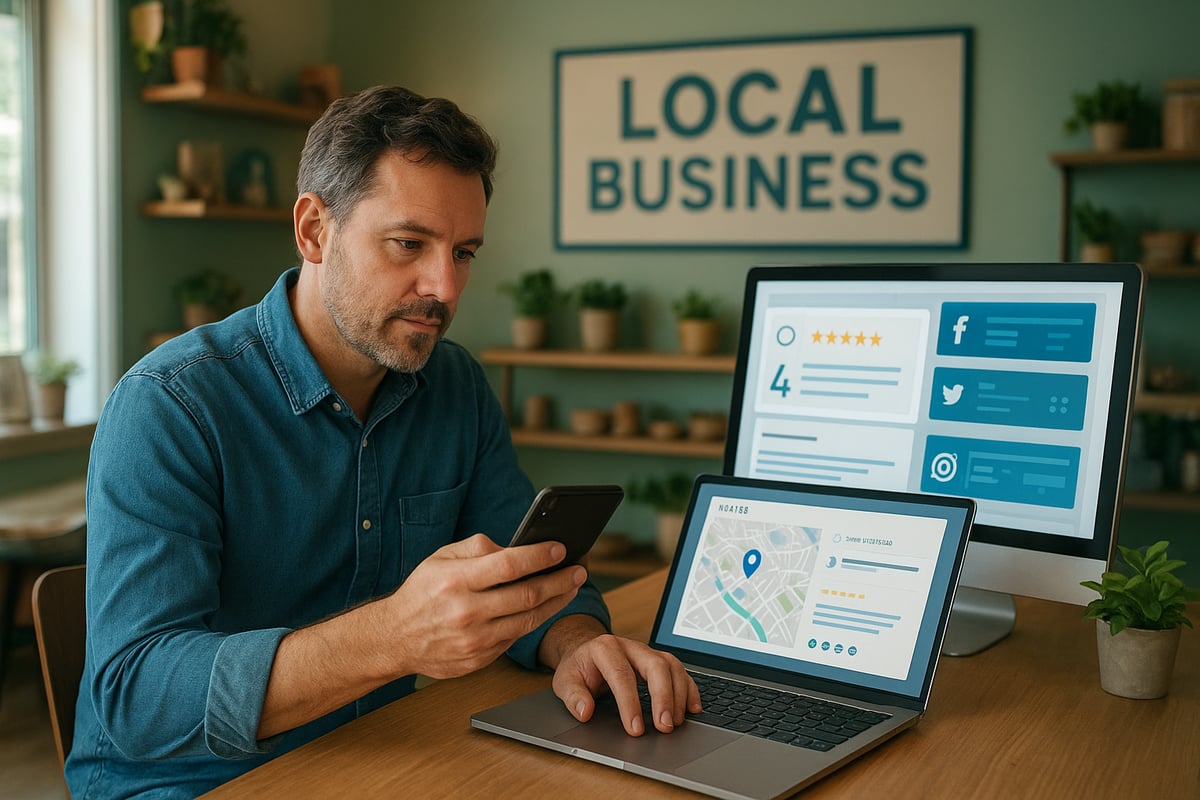
Local SEO is the backbone of any successful local digital strategy. By optimizing for location-based keywords like “HVAC repair in Dallas,” businesses can ensure they appear when nearby customers search for relevant services. Start by refining your Google Business Profile with accurate hours, fresh photos, and a steady stream of reviews.
Consistency is critical. Make sure your Name, Address, and Phone (NAP) match across all directories and platforms. Build local citations and seek backlinks from community sites to strengthen your authority. Publishing location-specific content, such as event guides or neighborhood news, further boosts visibility.
For a deeper dive, explore these Local SEO strategies for businesses to enhance your local digital presence. Remember, studies show local searches drive in-store visits for 40% of millennials, so every detail counts.
Geo-Targeted Paid Advertising
Geo-targeted paid advertising is transforming how local digital campaigns reach customers. Platforms like Google Ads, Facebook, and TikTok allow you to focus your budget on specific zip codes or set a radius to capture only nearby audiences. This precision ensures your message lands where it matters most.
Set up local extensions and use ad copy tailored to neighborhood events or seasonal promotions. Consider conquesting by targeting competitor locations, giving your business an edge. For example, a real estate agency in Melbourne can promote open houses exclusively to users within a few miles, maximizing attendance and exposure.
Tracking conversions by location and optimizing your budget based on high-performing areas are essential. This strategy helps local digital advertisers get measurable results and stay competitive.
Online Reviews and Reputation Management
Online reviews are a cornerstone of trust in local digital marketing. Most consumers check reviews on Google, Yelp, or industry-specific sites before making a decision. Encourage satisfied clients to leave feedback after every service or purchase.
Respond to both positive and negative reviews quickly to show you value customer input. Highlight glowing testimonials on your website and in ad copy to reinforce your reputation. Remember, 75% of consumers rely on online reviews when choosing a local business.
Managing your reputation is not just about damage control. It is a proactive local digital strategy that attracts new customers and strengthens loyalty.
Social Media and Community Engagement
Social media and community engagement are powerful amplifiers for your local digital footprint. Use Facebook Events and Instagram Stories to showcase behind-the-scenes moments, staff spotlights, and local partnerships. Leverage local hashtags and geotags to expand your reach within the community.
Run location-based contests or giveaways to boost engagement and encourage user-generated content. Partner with local influencers for Instagram takeovers or collaborative posts. For example, a restaurant teaming up with food bloggers can drive buzz and bring in new customers.
Consistent, authentic interaction on social platforms deepens relationships and reinforces your local digital brand identity. These efforts help you stand out as a trusted, active member of your neighborhood.
Step-by-Step Guide to Mastering Local Digital Success in 2026
Ready to take your local digital strategy to the next level? This step-by-step guide breaks down exactly how service-based businesses can thrive in 2026. Each action item is designed to help you systematically build a stronger local digital presence, reach more nearby customers, and turn online interactions into real-world results. Let us dive in and make your local digital goals a reality.
Step 1: Audit Your Local Digital Presence
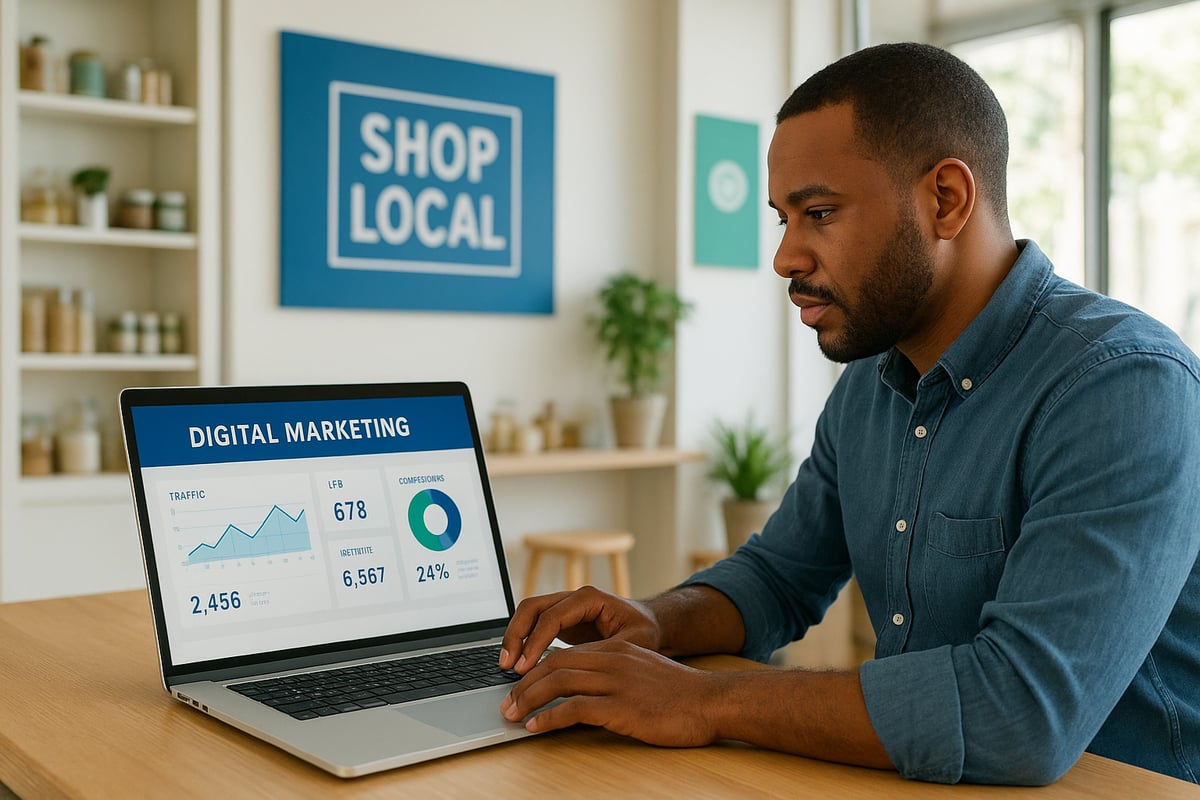
Start by evaluating your current local digital footprint. A comprehensive audit helps identify where your business stands and uncovers gaps that could hinder growth.
Here is a quick checklist to guide your audit:
| Audit Area | Action Point |
|---|---|
| Website | Check for local keywords and mobile readiness |
| Google Business Profile | Confirm accuracy and completeness |
| Directory Listings | Verify NAP consistency |
| Online Reviews | Assess quantity and sentiment |
| Social Media | Review engagement and local reach |
Use tools like Moz Local or BrightLocal for detailed reports on your local digital presence. These tools help spot inconsistencies and outdated business information quickly.
Assess your online reputation by reviewing your ratings and recent feedback. This step ensures your local digital reputation aligns with customer expectations and sets the foundation for improvement.
Step 2: Optimize Your Website for Local Search
Optimizing your website is essential for local digital visibility. Begin by integrating location-based keywords into page titles, headers, and main content. Use phrases like “HVAC repair in Dallas” or “best plumber near me” to capture local intent.
Create dedicated landing pages for each service area or location your business serves. This boosts your local digital relevance and helps search engines understand your geographic focus. Embed Google Maps and add local schema markup to make your business easy to find.
Ensure your site is mobile responsive and loads quickly. Most local digital searches now happen on smartphones, so a seamless mobile experience is vital. For example, a plumbing company might build separate pages for every city it serves, increasing its local digital reach and conversions.
Step 3: Claim and Enhance Your Directory Listings
Directory listings are a cornerstone of local digital success. Claim or verify your business profiles on Google, Apple Maps, Bing, Yelp, and any industry-specific directories relevant to your field.
Complete all profile fields, including hours, services, photos, and FAQs. Use local keywords in your business descriptions to improve search visibility. Accurate information across platforms helps reinforce your local digital authority.
Encourage customers to upload photos and leave reviews on your profiles. For expert tips on getting the most from your directory listings, check out this guide on Optimizing Google Business Profile. Remember, 88% of consumers shop locally every week, and 90% of purchases happen within 15 miles of home—so your listings must be flawless.
Step 4: Launch Geo-Targeted Paid Campaigns
Geo-targeted ads are a powerful driver for local digital growth. Platforms like Google Local Services Ads, Facebook, and Nextdoor allow you to target specific zip codes or neighborhoods with tailored promotions.
Craft ad copy that references local events, seasons, or community interests. Use radius targeting and local extensions to reach customers close to your business. Track performance by monitoring which zip codes deliver the best results, then adjust budgets accordingly.
For example, an HVAC service might run a “$99 tune-up” promotion exclusively in high-income neighborhoods. This local digital tactic ensures your ad spend is focused on the highest-value customers, increasing your return on investment.
Step 5: Build and Manage Your Online Reputation
Your reputation is the backbone of your local digital strategy. Promptly request reviews from customers via email or SMS after a purchase or service. Respond to all reviews—both positive and negative—to demonstrate your commitment to customer satisfaction.
Highlight 5-star reviews on your website and social media channels. Incentivize feedback with discounts or giveaways, but always follow platform guidelines. A strong local digital reputation builds trust and encourages more customers to choose your business.
Monitor review platforms regularly to catch potential issues early. Addressing concerns publicly shows transparency and strengthens your local digital brand.
Step 6: Engage with Your Local Community Online
Community engagement is the secret weapon of local digital marketing. Share updates about local event sponsorships, charity work, or collaborations on your social media platforms.
Use geotags and local hashtags to expand your reach within the community. Host live Q&A sessions or behind-the-scenes tours to humanize your brand and build relationships. Encourage user-generated content by inviting local customers to share their experiences.
For example, a home services company hosting a “Meet the Team” Facebook Live event creates authentic connections. These actions turn your local digital presence into a trusted community asset.
The Power of Conversion-Focused Local Landing Pages
In the competitive local digital landscape, standing out requires more than just visibility. Service-based businesses must transform online interest into real action. Conversion-focused landing pages are the bridge between local digital discovery and actual customer engagement.
Why Landing Pages Are Essential for Local Success
Local digital marketing thrives on connecting search intent with immediate solutions. When a potential customer clicks on an ad or finds your listing, a tailored landing page can make the difference between a lost lead and a new client.
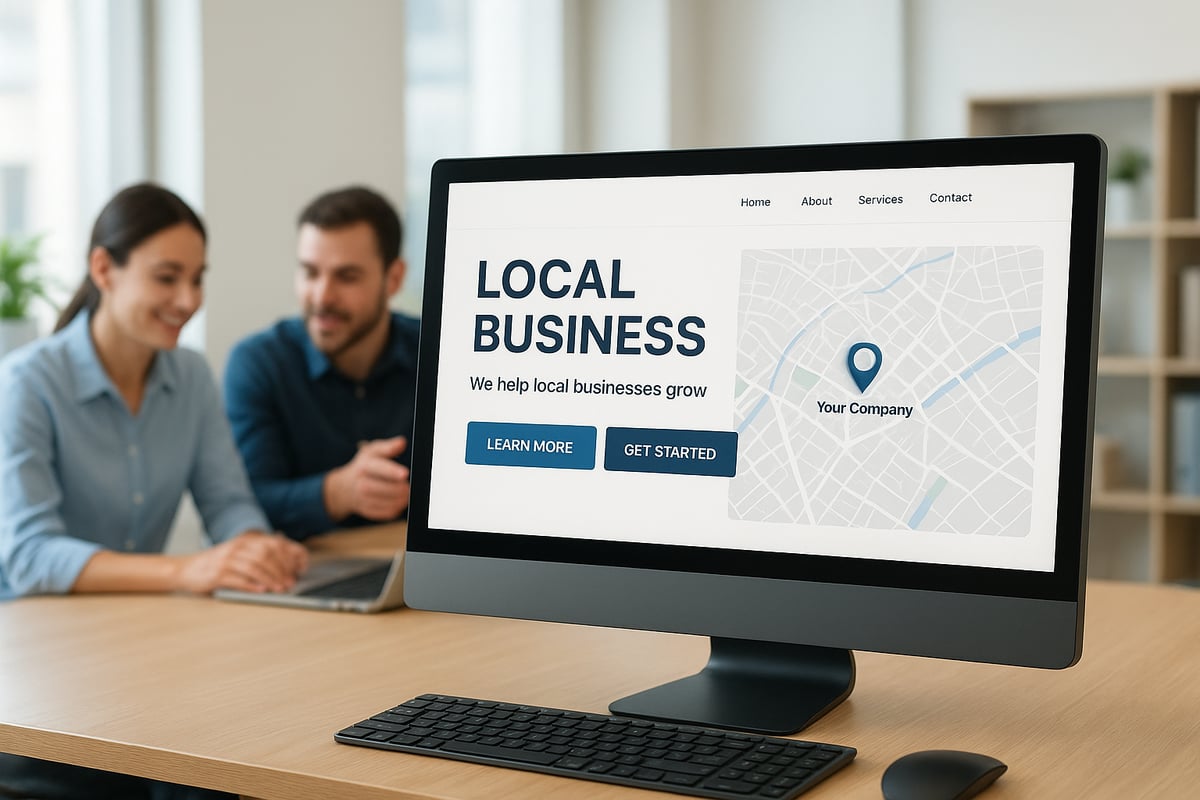
Landing pages designed for local digital campaigns focus on a single, compelling offer. They speak directly to neighborhood audiences, ensuring the messaging feels relevant and timely. By aligning content with local events or needs, you can increase the likelihood of conversions.
Speed and mobile optimization are critical. Local digital consumers often search on their phones, looking for fast answers. A dedicated landing page loads quickly, displays perfectly on any device, and guides users toward a clear action—whether that is booking an appointment, calling for a quote, or visiting your shop.
Recent studies show that local landing pages can double conversion rates compared to sending visitors to a generic homepage. This direct approach turns local digital traffic into measurable business results.
Best Practices for High-Converting Local Landing Pages
To maximize the impact of your local digital strategy, apply these best practices to your landing pages:
- Use location-specific headlines that include your city or neighborhood.
- Feature genuine testimonials from local customers to build trust.
- Add a map, address, and click-to-call buttons for easy access.
- Highlight unique local selling points, such as years of service in the community.
- Integrate reviews and trust badges for credibility.
- Test different layouts and offers regularly to optimize results.
- Maintain a consistent brand voice across all local digital assets.
For more expert guidance, explore these High-converting landing page tips to refine your approach and boost performance.
By implementing these strategies, your business can increase the effectiveness of local digital campaigns and turn online clicks into real-world customers.
Why Landing Pages Matter: Example and Data
Consider a dental clinic running a local digital ad campaign in Manchester. Instead of directing traffic to their homepage, they send visitors to a landing page offering “Free Whitening for Manchester Residents.” The result is a focused experience that resonates with local digital audiences and drives immediate bookings.
Data supports this approach. Forty percent of millennials visit a business after a local search, and businesses using dedicated landing pages for local digital traffic see significantly higher conversion rates. By prioritizing conversion-focused landing pages, you ensure every local digital interaction moves prospects closer to becoming loyal customers.
Advanced Tactics & Future-Proofing Your Local Digital Strategy
To stay ahead in the rapidly changing local digital landscape, businesses must adopt advanced tactics and prepare for the future. With evolving technology, shifting consumer expectations, and new regulations, the right strategy can mean lasting success or falling behind.
Embrace New Technologies and Platforms
Innovative tools are transforming how local digital marketing operates. AI-powered chatbots can handle instant responses, bookings, and FAQs, freeing up staff for high-value tasks. Programmatic ads allow you to target custom audiences by neighborhood or demographic, maximizing your ad spend.
Consider sponsoring local podcasts or running streaming audio ads, a channel only 15 percent of advertisers currently use. SMS and WhatsApp marketing also help deliver timely offers and reminders directly to mobile devices. With 75% of local searches conducted through voice assistants by 2026, optimizing for voice search is now essential for capturing local intent.
Hyperlocal Content and Personalization
Content tailored to your immediate community is a core driver of local digital results. Create blog posts and videos about neighborhood events, seasonal issues, or customer stories. Personalize email campaigns based on a customer’s location or past interactions.
Spotlight your team by featuring local staff in social posts or sharing behind-the-scenes content. Collaborate with community partners and highlight local success stories to build stronger connections. These efforts make your brand a familiar and trusted name in the local digital space.
Data-Driven Optimization
Success in local digital marketing depends on understanding what works. Use analytics tools to track which channels bring in the most leads and revenue. Adjust your campaigns based on local trends, seasonal events, or shifts in customer behavior.
Monitor your competitors and benchmark your performance to spot new opportunities. Leverage predictive analytics tools like HubSpot and Adobe Experience Cloud to forecast demand, automate marketing, and refine your strategy for maximum impact.
Staying Compliant and Building Trust
Local digital strategies must align with the latest privacy regulations. Stay informed about changes in data collection and ad targeting laws. Be transparent with customers about how you use their information and always offer clear communication.
Consistency in branding, messaging, and customer service builds lasting trust. Proactive communication, especially when addressing issues or feedback, positions your business as reliable in the local market. Trust and compliance are the foundation of long-term local digital growth.
Real-World Success Stories: Local Digital Mastery in Action
Local digital strategies come alive through real-world results. Let’s explore how three businesses in different industries harnessed local digital tactics to achieve measurable growth in their communities.
Case Study 1: Real Estate Agency in Melbourne
A Melbourne real estate agency aimed to boost its open house attendance and local market visibility. By deploying a local digital strategy with programmatic landing pages and geo-targeted ads, they reached potential buyers searching for properties nearby. The team focused on optimizing their online presence, ensuring all listings and business information were accurate across platforms.
They also invested in local digital campaigns for new property launches, tailoring messaging for each suburb. The result was a 30 percent increase in open house attendance. This case illustrates how targeted local digital efforts can directly drive foot traffic and engagement.
Case Study 2: Dental Clinic in Manchester
A dental clinic in Manchester realized the importance of a strong local digital footprint to compete with larger chains. The clinic optimized its Google Business Profile, encouraged satisfied patients to leave reviews, and published location-specific content highlighting their expertise.
Through persistent local digital review campaigns and prompt responses to feedback, they built trust in the community. Within six months, appointment bookings from local search doubled. This demonstrates how a consistent local digital presence and reputation management can transform patient acquisition.
Case Study 3: Restaurant in Barcelona
A Barcelona restaurant wanted to fill more seats during weekdays. They embraced a local digital approach by running hyperlocal Instagram campaigns and collaborating with local food influencers. The team showcased daily specials, behind-the-scenes moments, and customer testimonials to build buzz.
By tapping into the power of local digital engagement, they saw a 40 percent increase in weekday reservations after the campaign launch. Their strategy highlights the impact of social media and influencer partnerships in a competitive local digital market.
Key Takeaways from Success Stories
The above examples reveal that local digital mastery stems from combining multiple tactics: SEO, paid ads, reviews, and landing pages. Continuous optimization and responsiveness to local trends are essential for sustained growth.
Building strong community connections and leveraging local link building techniques can further amplify local digital visibility. Data-driven decisions, such as reallocating budgets based on platform performance, help maintain a competitive edge. Ultimately, businesses that prioritize their local digital strategy consistently outperform those that do not.
Article written using RankPill.
Jean runs growth strategy at AimSetWin, a performance marketing agency specializing in local service businesses across Texas. he's helped plumbers, HVAC companies, pest control operators, and home service brands build predictable revenue systems using data-driven advertising and conversion optimization.


