
Unlock marketing success in 2026 with this comprehensive marketing guide covering essential strategies, channel selection, technology, and future trends for growth.
Marketing is evolving at a pace never seen before, and 2026 demands that businesses adapt or risk falling behind. Complexity is rising, with new tools and trends emerging rapidly.
This marketing guide provides the essential strategies, tools, and insights every business must master to succeed in the competitive landscape of 2026. Staying ahead requires more than just knowledge—it takes actionable, up-to-date tactics and a willingness to innovate.
Inside, you will discover the core principles of modern marketing, step-by-step strategy formulation, how to choose the right channels, ways to leverage technology, and methods for measuring results.
Ready to generate leads, increase revenue, and outperform the competition? Explore this guide for your complete roadmap to marketing success in 2026.
Understanding the Foundations of Modern Marketing
In a world where business is constantly changing, understanding the foundations of marketing is more critical than ever. This marketing guide begins by exploring the core shifts redefining the field in 2026, equipping you with the knowledge to build lasting success.
Defining Marketing in 2026
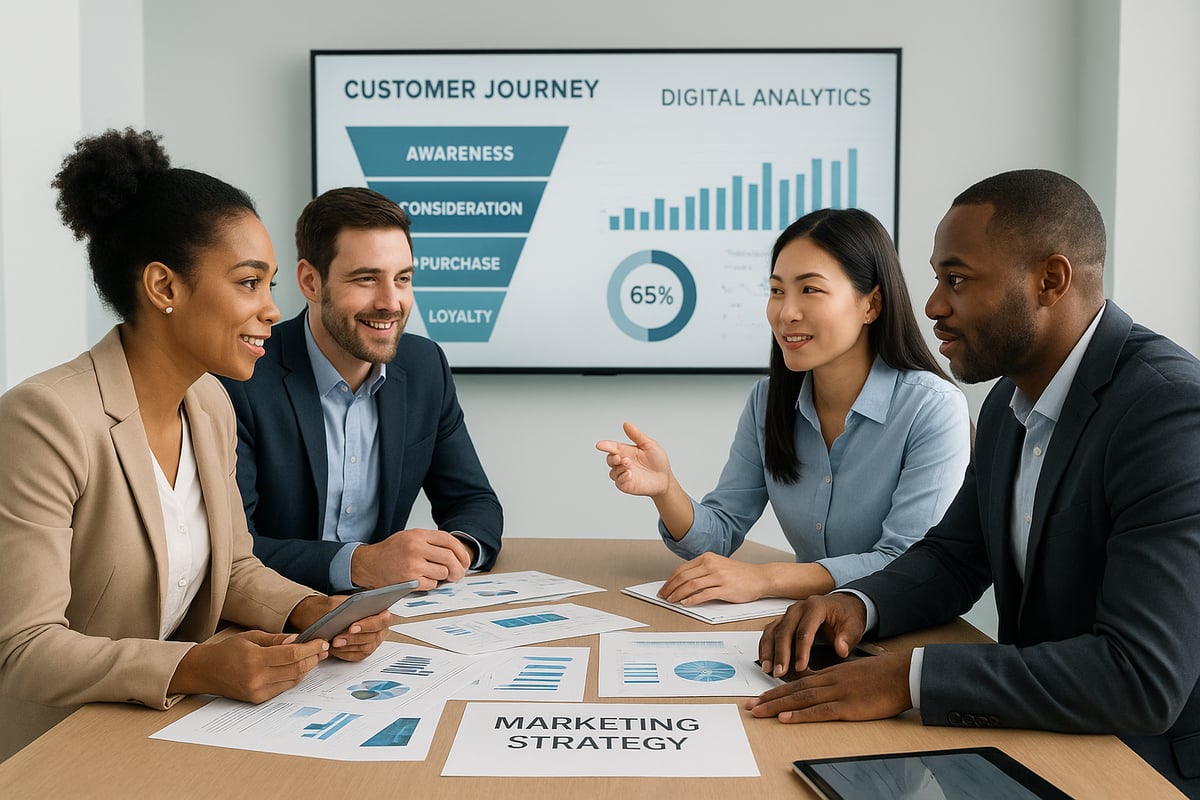
Marketing in 2026 is much more than advertising or promotion. The modern marketing guide emphasizes building genuine relationships, putting the customer at the center of every decision. Businesses now focus on understanding what people value, creating two-way conversations, and fostering loyalty over time.
The shift is clear: brands are no longer just selling products, they are cultivating engaged communities. For example, many home service companies are leading with educational content and support forums, strengthening their reputation and encouraging repeat business. According to the 2026 Marketing Trends Report, brands that invest in community-building consistently outperform those that rely on transactional campaigns. This evolution is at the heart of every effective marketing guide today.
The Evolving Marketing Mix: The 4 Ps and Beyond
The classic marketing mix—Product, Price, Place, Promotion—remains vital, but in 2026, it has expanded. Products must solve real customer problems, while value-based pricing is key in a transparent, competitive landscape. Omnichannel strategies ensure your offerings are accessible both online and in-person, meeting customers wherever they are.
Promotion now means running integrated campaigns across digital and traditional channels for maximum reach. Service businesses often adopt the 7 Ps, adding People, Process, and Physical Evidence to the mix. For instance, an HVAC company succeeds by combining skilled technicians (People), streamlined online booking (Process), and clear service guarantees (Physical Evidence).
| Classic 4 Ps | Expanded 7 Ps |
|---|---|
| Product | Product |
| Price | Price |
| Place | Place |
| Promotion | Promotion |
| People | |
| Process | |
| Physical Evidence |
A comprehensive marketing guide now covers both frameworks to address diverse business needs.
The Customer Journey & Funnel Reimagined
The path from first contact to loyal customer is not linear anymore. A modern marketing guide recognizes the reimagined customer journey, which now includes more touchpoints and post-purchase stages. The funnel consists of Awareness, Interest, Consideration, Intent, Purchase, Loyalty, and Advocacy.
Today, the focus extends well beyond the sale. Building loyalty and encouraging advocacy drive referrals and organic growth. For example, home service businesses map out each stage, from a homeowner discovering their brand to becoming a vocal supporter in their community. Recent data shows that 52% of businesses find events deliver the highest ROI, highlighting the value of engaging customers at every step. This holistic view is essential for any marketing guide aiming for long-term results.
Key Arguments and Insights
A robust foundation is the cornerstone of marketing success. This marketing guide stresses that aligning your strategies with evolving consumer expectations leads to consistent, measurable growth. As digital and traditional tactics converge, businesses that integrate both achieve superior results.
The importance of a well-rounded approach cannot be overstated. By mastering the fundamentals and staying agile, you ensure your marketing guide remains relevant. Remember, every successful campaign starts with a deep understanding of these core principles and adapts them as the market evolves.
Step-by-Step: Crafting Your Winning Marketing Strategy for 2026
Building a robust marketing guide for 2026 starts with a structured, stepwise approach. This ensures your business strategy is grounded in research, aligned with goals, and adaptable to change. Each step below plays a critical role in positioning your business for sustained success.
Step 1: Deep Market Research & Competitor Analysis
Every effective marketing guide begins with in-depth research. Start by gathering data on your target market using surveys, customer interviews, and social listening. Identify pain points, preferences, and emerging trends.
Next, benchmark against competitors. Analyze their campaigns, strengths, and weaknesses. Use tools to compare their online presence, customer reviews, and content strategies. Build data-driven personas to segment your audience, ensuring your marketing guide addresses their unique needs.
For example, a plumbing service might use local SEO tools to monitor rival promotions and online reviews. Remember, understanding the fundamentals is key to effective strategies. With 74% of businesses confirming content marketing enhances lead generation, research is your foundation.
Step 2: Setting Clear, Measurable Objectives
A successful marketing guide requires clear, actionable objectives. Use the SMART framework: Specific, Measurable, Achievable, Relevant, and Time-bound. This ensures every marketing initiative supports your wider business goals.
Align your objectives with growth and revenue targets. For instance, aim to increase qualified leads by 30% within six months. Break down larger goals into smaller milestones to track progress efficiently.
Consistently revisit and refine your objectives as market conditions shift. When your marketing guide is goal-driven, your team stays focused and accountable, maximizing every campaign’s impact.
Step 3: Identifying and Understanding Your Target Audience
Knowing your audience is at the core of any marketing guide. Start by building detailed customer profiles, capturing demographics, psychographics, and buying behaviors. Segment audiences based on age, location, lifestyle, and purchasing motivations.
Use surveys, analytics, and customer feedback to refine these profiles. For home services, targeting homeowners aged 35 to 55 could be most effective. Understanding your audience’s intent is crucial—learn more about the importance of user intent in SEO to tailor your messaging.
This step ensures your marketing guide resonates with real prospects, increasing the likelihood of engagement and conversion.
Step 4: Choosing the Right Marketing Channels
Selecting the best channels is essential for an effective marketing guide. Evaluate digital options like SEO, Google Ads, and Meta Ads, as well as traditional media and hybrid approaches. Match each channel to your audience’s preferences and buyer journey stages.
For example, use Google Ads for immediate lead generation and SEO for sustainable, long-term growth. Analyze which platforms your audience frequents most, then allocate resources accordingly.
A well-balanced channel mix ensures your marketing guide reaches prospects at every touchpoint, driving awareness, consideration, and loyalty.
Step 5: Developing a Compelling Value Proposition and Messaging
A persuasive marketing guide hinges on a strong value proposition. Define what sets your business apart—your unique selling points should resonate with your target market. Craft messaging that speaks directly to their needs and desires.
Ensure consistency across all platforms, from your website to social media and offline materials. For instance, “Performance-based pricing to tie success to client results” can be a powerful message.
A clear, consistent value proposition helps your marketing guide stand out, building trust and driving customer action.
Step 6: Budgeting & Resource Allocation
An effective marketing guide includes a realistic, data-driven budget. Start by estimating costs for each channel, weighing expected ROI and strategic priorities. Allocate funds to both high-performing and experimental channels to minimize wasted spend.
Consider external trends: social media is projected to exceed $220 billion in annual ad spend. Balance your investments across digital and traditional media, adjusting as campaigns evolve.
Resource planning also involves assigning team roles and ensuring the right tools are available. With a solid budget, your marketing guide maximizes impact without overspending.
Step 7: Implementation Planning & Timeline
The final step in your marketing guide is a detailed implementation plan. Develop a marketing calendar to schedule campaigns, content releases, and key milestones. Assign clear responsibilities to team members, ensuring accountability.
Build in flexibility to adapt based on real-time data and market feedback. Regularly review performance and adjust tactics as needed. This proactive approach keeps your marketing guide agile and responsive to change.
A structured timeline empowers your team to execute efficiently, delivering steady growth and measurable results.
Selecting and Mastering High-Impact Marketing Channels
Selecting the right marketing channels is a cornerstone of any successful marketing guide. The landscape in 2026 is more complex than ever, with new platforms and tactics emerging rapidly. Businesses must not only pick the right mix of channels but also master their use for maximum impact. Understanding where your audience spends time and how they prefer to engage is essential to stand out and drive results.
Digital Marketing Channels
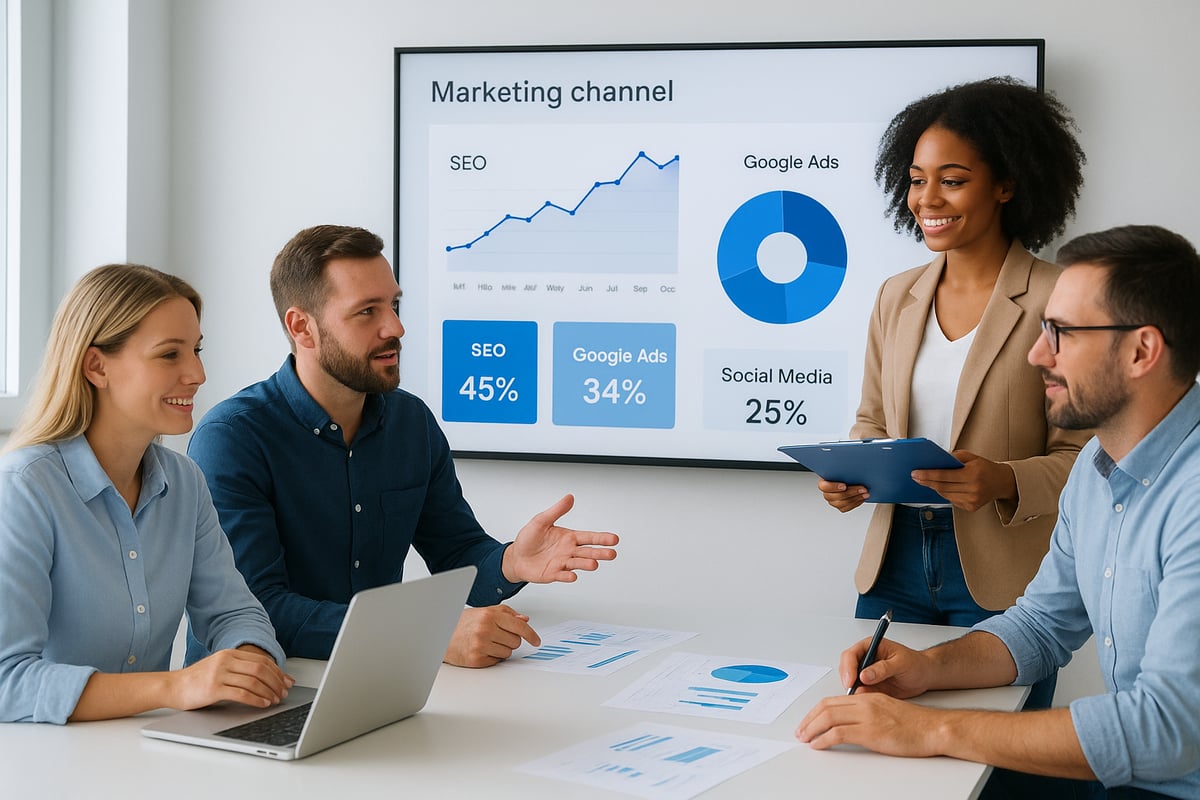
Digital channels remain the backbone of any effective marketing guide. SEO, paid ads, email, and social media each play a unique role in reaching and converting customers.
SEO is foundational for long-term growth. By optimizing your website for local and organic search, you ensure your business is visible when prospects are ready to buy. For home service brands, local SEO connects you with nearby customers searching for immediate solutions. According to industry data, SEO consistently delivers cost-effective leads and high ROI.
Google Ads and Meta Ads offer immediate visibility and precise targeting. Geo-targeted campaigns for services like plumbing or HVAC can generate quick leads, especially when combined with performance-based ad strategies. Paid ads let you control spend and test creative approaches for the best results.
Email marketing remains one of the most reliable channels in any marketing guide. Automated, personalized campaigns nurture leads and keep your brand top of mind. With an average return of $44 for every $1 spent, email marketing delivers exceptional value.
Social media marketing is essential for brand awareness and customer engagement. Platforms like Facebook and Instagram allow you to share promotions, interact with your audience, and build a loyal community. For deeper insights into effective tactics, explore these proven social media marketing strategies.
Here is a table summarizing the strengths of each digital channel:
| Channel | Best For | Key Benefit |
|---|---|---|
| SEO | Long-term lead generation | Organic visibility |
| Google/Meta Ads | Immediate results | Targeted reach |
| Lead nurturing | High ROI | |
| Social Media | Engagement, awareness | Community building |
Choosing and integrating these digital channels ensures your marketing guide remains relevant and effective.
Content & Influencer Marketing
Content and influencer marketing are powerful tools in a modern marketing guide, helping businesses educate, engage, and convert their target audiences.
Content marketing involves creating valuable resources—like blogs, videos, and guides—that address customer pain points. For example, a home services company might publish seasonal maintenance tips or video tutorials. Data shows that 74% of businesses use content marketing to boost lead generation, making it a staple of any strategy.
Influencer marketing leverages trusted voices to reach niche markets. Partnering with local influencers can amplify your brand’s credibility and extend your reach to new customer segments. In 2026, platforms such as TikTok and Instagram are particularly effective for influencer collaborations, with 70% of marketers using TikTok to run campaigns.
Benefits of content and influencer marketing include:
- Building trust and authority within your industry.
- Generating organic traffic through high-value educational content.
- Reaching new audiences through influencer endorsements.
A successful marketing guide emphasizes consistency in messaging across all content and influencer channels. This ensures your brand voice remains clear and compelling wherever your audience encounters it.
Traditional & Hybrid Channels
Traditional and hybrid channels remain vital components of a balanced marketing guide. While digital strategies dominate, print, events, and hybrid approaches still yield significant results.
Print marketing—including brochures, direct mail, and local print ads—creates tangible brand impressions. Distributing flyers at community events or sending targeted mailers can effectively reach audiences who may not be as digitally engaged.
Event marketing offers face-to-face engagement and builds lasting relationships. Hosting or sponsoring local events, such as a “Home Maintenance Day,” positions your brand as a community leader. According to industry statistics, 52% of businesses report that events deliver the highest ROI, making them a must-have in your marketing guide.
Hybrid marketing blends digital and traditional tactics for an omnichannel experience. For example, integrating online booking with in-person services ensures convenience and accessibility. This approach allows businesses to meet customers wherever they are, maximizing touchpoints and conversions.
When selecting channels, consider:
- Your target audience’s preferences and behaviors.
- The buyer’s journey stage for each channel.
- Ongoing analysis to optimize channel performance.
Integrating digital, content, influencer, and traditional channels within your marketing guide ensures comprehensive coverage and sustained growth. Continual optimization and adaptation will keep your strategy future-ready.
Leveraging Technology, Data, and Automation for Competitive Advantage
Technology is now at the heart of every successful marketing guide, transforming how businesses attract, engage, and retain customers. In 2026, leveraging the right tools and strategies is crucial to outpace competitors and deliver measurable results.
Marketing Automation & AI
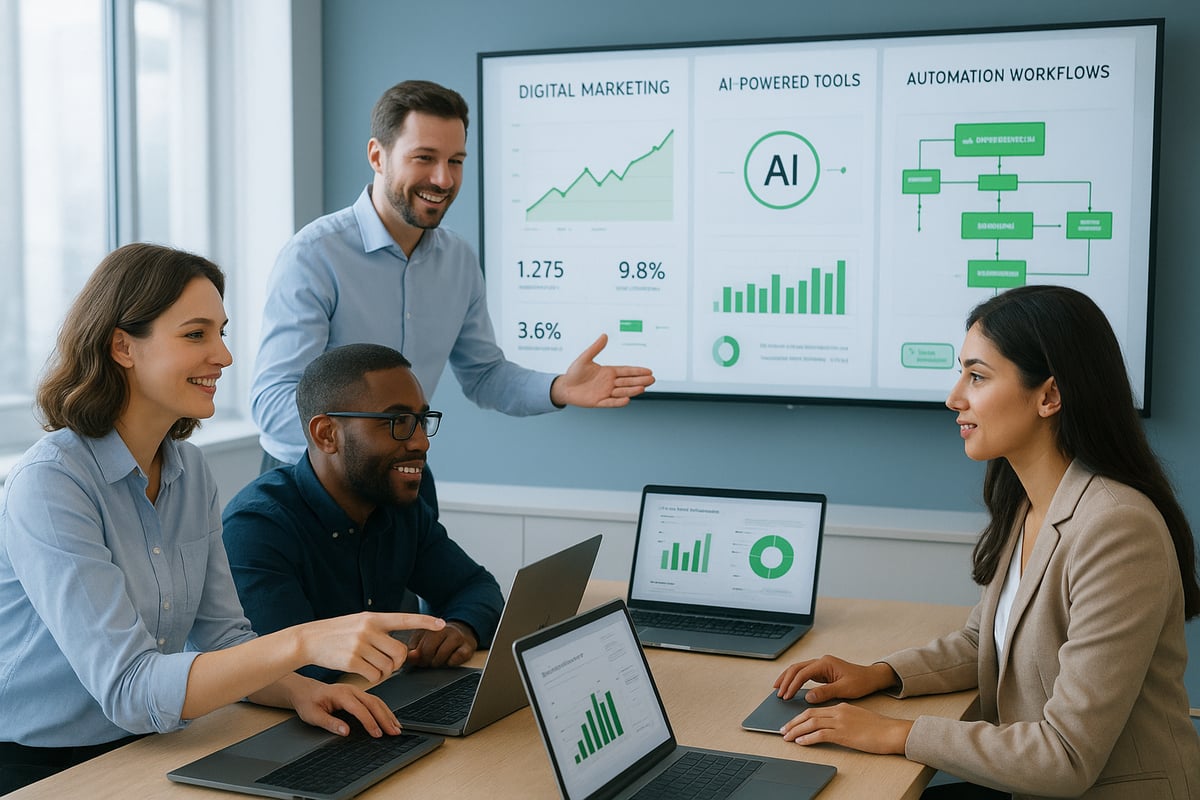
Marketing automation is a cornerstone of any modern marketing guide. Automated tools handle repetitive tasks like email sequences, lead nurturing, and ad management, freeing up your team to focus on strategy. AI takes automation further by enabling personalized experiences at scale, analyzing customer data to deliver tailored offers and content.
For example, home service providers can automate appointment reminders and follow-ups, raising engagement and reducing no-shows. As detailed in Generative AI in Marketing, AI adoption is delivering real ROI and reshaping how marketers personalize outreach. Integrating AI ensures your marketing guide remains both efficient and customer-focused.
Data Analytics & Measurement
A successful marketing guide relies on data analytics to inform every decision. Tracking metrics like leads, conversions, and ROI is essential for optimizing campaigns. Modern analytics platforms allow marketers to monitor performance in real time, identifying what works and refining tactics quickly.
For instance, measuring customer lifetime value helps businesses allocate resources more effectively. Using dashboards and automated reporting, teams can pinpoint high-performing channels and adjust spend accordingly. Data-driven insights are central to a marketing guide that delivers consistent, measurable growth.
Conversion Optimization
Optimizing for conversions is a critical aspect of any marketing guide. Improving website user experience directly impacts lead generation and sales. Techniques such as A/B testing landing pages, streamlining navigation, and enhancing mobile responsiveness can significantly boost results.
Consider a home service business that redesigns its booking page based on user feedback and analytics. By testing different layouts and calls to action, they achieve higher conversion rates. Continuous conversion optimization ensures that your marketing guide produces tangible business outcomes.
Cybersecurity & Compliance
Protecting customer data is non-negotiable in a modern marketing guide. As privacy regulations grow stricter, businesses must implement robust cybersecurity measures and transparent data practices. Secure platforms, encrypted communications, and regular audits are essential to safeguard information.
Compliance also builds trust with clients and prospects. Displaying clear privacy policies and offering easy opt-outs demonstrates your commitment to ethical marketing. A trustworthy marketing guide prioritizes both customer safety and regulatory adherence.
Integrating Tech with Human Expertise
While technology powers efficiency, human expertise remains vital in every marketing guide. Automation tools amplify productivity, but skilled marketers interpret data, craft creative campaigns, and build authentic customer relationships. Training teams to leverage new tools ensures your business stays ahead of the curve.
Balancing automation with personal service creates a seamless customer experience. Investing in ongoing education and fostering collaboration between tech and human talent is a hallmark of a future-ready marketing guide.
Measuring Success and Continuous Optimization
Measuring your marketing efforts is the cornerstone of sustained growth in 2026. A robust marketing guide must emphasize not just launching campaigns, but also tracking, analyzing, and refining them. By establishing clear frameworks for measurement and improvement, you empower your business to respond to market shifts and consistently outperform competitors.
Setting Up KPIs and Measurement Frameworks
To measure success, begin with well-defined key performance indicators. A marketing guide for 2026 recommends mapping KPIs to every channel and campaign. These might include cost per lead, conversion rate, customer lifetime value, and return on ad spend (ROAS).
| Metric | Purpose | Example Goal |
|---|---|---|
| Cost per Lead | Efficiency of lead generation | $40 per qualified lead |
| Conversion Rate | Turning prospects into buyers | 20 percent per month |
| ROAS | Campaign profitability | 4x ad spend |
Align your KPIs with business objectives. This ensures your marketing guide remains actionable and relevant as your company grows.
Attribution Modeling & ROI Analysis
Understanding which touchpoints drive results is essential. Attribution modeling helps allocate value across the customer journey, clarifying how each channel contributes to conversions.
A marketing guide should cover single-touch and multi-touch models. Single-touch assigns full credit to the first or last interaction, while multi-touch distributes credit among all key steps. This clarity enables smarter budget allocation and maximizes ROI.
To further refine analyses, use advanced tracking tools. Accurate attribution leads to better insights, informing your strategy for long-term success.
Iterative Testing and Improvement
Continuous optimization is at the heart of any effective marketing guide. Regularly test messaging, creative assets, and offers using A/B or multivariate experiments. These tests reveal what resonates with your audience.
- Run split tests on landing pages
- Experiment with ad copy and visuals
- Adjust offers based on performance data
For digital campaigns, consult resources like the Complete on-page SEO checklist to ensure every element is optimized. Insights from testing drive ongoing refinement, boosting results over time.
Reporting & Stakeholder Communication
Clear reporting translates data into actionable insights for your entire team. A marketing guide should include processes for creating dashboards that highlight lead generation, spend, and revenue impact.
Share concise monthly reports with stakeholders. Use visualizations to make trends and opportunities easy to understand. Effective communication ensures alignment across departments and fuels data-driven decision-making.
Regular updates keep everyone informed, encouraging collaboration and accountability.
Case Example: Local Business Optimization
Consider a local plumbing company seeking to improve ROI. By tracking KPIs, refining attribution, and running regular tests, the business increased qualified leads while reducing ad spend.
Monthly dashboard reviews revealed which channels delivered the best results. This enabled quick pivots and smarter investments. For more real-world insights, explore case studies for marketing success that demonstrate how continuous optimization delivers measurable growth.
Applying the lessons from this marketing guide ensures your business stays agile and competitive in 2026.
Future-Proofing Your Marketing: Trends and Predictions for 2026
Staying ahead in marketing requires more than just following trends. It demands a proactive approach, constant learning, and a willingness to adapt. This section of the marketing guide explores what the future holds for marketers, helping you build strategies that withstand rapid change and set your business up for long-term success.
Emerging Trends Shaping Marketing in 2026
The pace of innovation is accelerating, and the marketing guide for 2026 emphasizes several transformative trends. Artificial intelligence is powering hyper-personalized campaigns, while predictive analytics drive smarter decision-making. As privacy regulations increase, brands are prioritizing first-party data to maintain trust and relevance.
Voice and visual search are gaining traction, especially in local marketing. Immersive experiences, such as AR and VR, are moving from novelty to expectation. Sustainability and ethical marketing are now essential, with consumers demanding transparency and responsibility from brands. For a comprehensive overview of these shifts, Kantar’s 2026 Marketing Trends provides valuable insights into inclusivity and the power of creator-driven content.
Preparing for Change: Agility and Adaptation
Adaptability is the cornerstone of any successful marketing guide for the future. Agile marketing teams are investing in ongoing training and upskilling to stay on top of emerging technologies and consumer behaviors. Regularly reviewing processes and embracing a test-and-learn mindset empowers organizations to pivot quickly.
Building a culture of curiosity and flexibility ensures your team can respond to shifts in the market. By fostering collaboration and encouraging experimentation, businesses can reduce risk and increase the likelihood of marketing success. This proactive approach keeps your brand relevant, even as the landscape evolves rapidly.
The Power of Community and Advocacy
The marketing guide for 2026 highlights the growing influence of community and advocacy. Loyal customers are more than repeat buyers—they become brand ambassadors who drive organic growth. Referral programs and loyalty initiatives turn satisfied clients into powerful advocates, amplifying your message in authentic ways.
Brands are investing in building engaged communities, both online and offline. This focus on relationship-driven marketing fosters trust and long-term loyalty. By empowering your best customers, you can generate word-of-mouth referrals that outperform traditional advertising in both reach and credibility.
Data-Backed Predictions
Looking at recent data, the marketing guide reveals that social media, content, and event marketing continue to deliver strong ROI. Digital ad spend is projected to rise as businesses prioritize measurable, targeted approaches. Technology adoption rates are expected to accelerate, especially in AI-driven personalization and automation.
Research from industry leaders indicates that companies leveraging analytics and automation outperform their competitors in lead generation and customer retention. Creative authenticity and human-centric content, as explored in Adobe’s 2026 Creative Trends, are also shaping the future of effective marketing.
Key Takeaways for Long-Term Success
To future-proof your marketing, this marketing guide recommends focusing on adaptability, measurement, and customer-centricity. Invest in the latest technologies, but never lose sight of the human element. Equip your team with the skills and tools needed to navigate ongoing change.
Prioritize data-driven decision-making and foster deep connections with your audience. By staying proactive and continuously optimizing your approach, you ensure your marketing remains resilient and effective—no matter what 2026 brings.
Jean runs growth strategy at AimSetWin, a performance marketing agency specializing in local service businesses across Texas. he's helped plumbers, HVAC companies, pest control operators, and home service brands build predictable revenue systems using data-driven advertising and conversion optimization.


