
Discover 7 proven online marketing lead generation strategies for 2026. Learn actionable, data-driven tactics to attract high quality leads and boost conversions.
In the rapidly evolving digital world of 2026, the race for online marketing lead generation is more intense and crucial than ever before. Businesses face higher stakes as competition increases and the demand for smarter strategies grows.
This article uncovers seven proven online marketing lead generation strategies that are delivering measurable results right now. Expect to discover the latest data-driven tactics, innovative methods, and practical tips to help you attract and convert high-quality leads.
If you want to outpace your competitors and grow your business, these insights offer actionable steps you can implement today for real, measurable growth.
The Evolution of Online Lead Generation in 2026
The landscape of online marketing lead generation has transformed dramatically by 2026. Businesses face new challenges and opportunities as digital behaviors, technology, privacy rules, and metrics reshape how leads are attracted and nurtured. Understanding these changes is essential for any organization seeking consistent growth and meaningful engagement.
The Shift in Buyer Behavior and Expectations
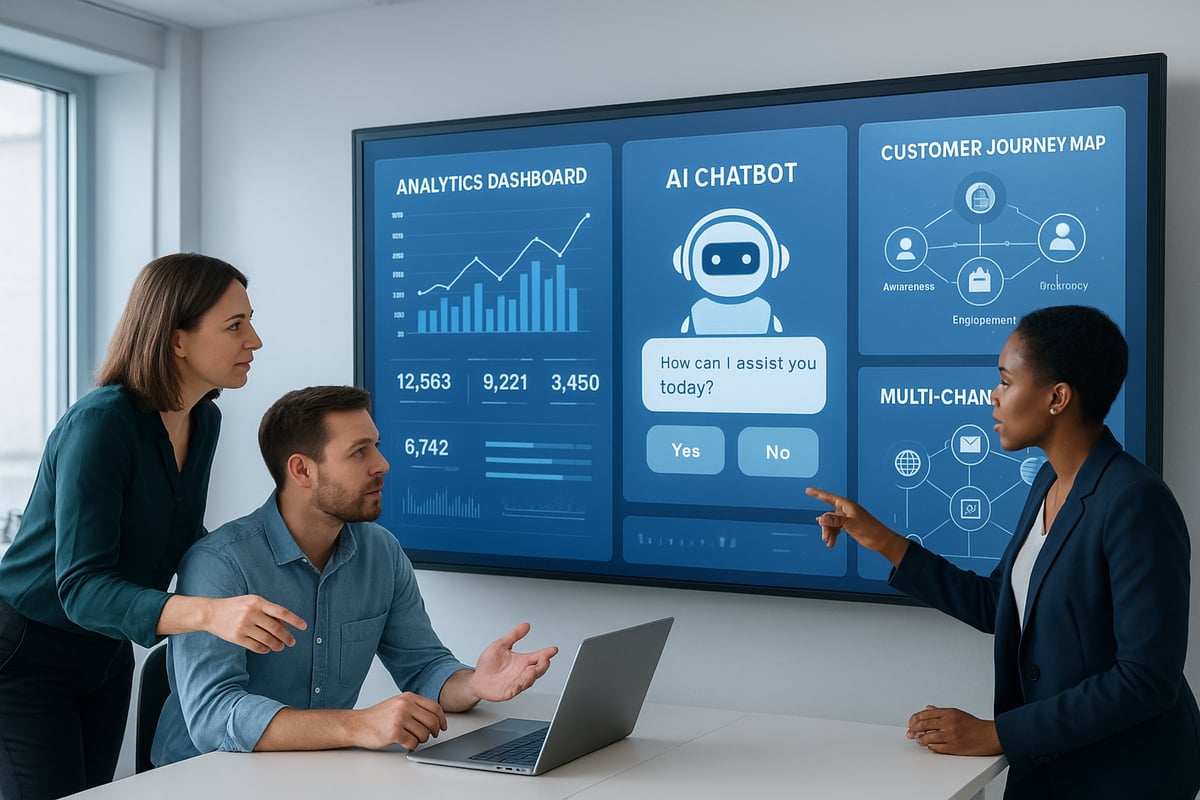
Today’s buyers are more informed and empowered than ever before. Most begin their journey with in-depth online research, using resources like reviews, webinars, and interactive content before ever contacting a sales team. Over 80% of B2B buyers now complete the majority of their decision process online, seeking personalized and value-driven experiences. This digital-first approach means that online marketing lead generation must focus on meeting buyers where they are, providing relevant information and seamless interactions at every stage.
The Role of AI and Automation
Artificial intelligence has become a cornerstone of online marketing lead generation in 2026. AI-powered tools are now used for everything from audience targeting to real-time lead scoring and qualification. Automation streamlines nurturing and follow-up, freeing teams to focus on strategy and creativity. For example, chatbots and predictive analytics efficiently qualify leads and guide prospects through tailored experiences. For a deeper look at these innovations, see AI-Powered Lead Generation Trends for B2B in 2026.
Data Privacy and Compliance Trends
With the evolution of GDPR, CCPA, and other privacy laws, companies must prioritize transparent data collection and consent. Online marketing lead generation strategies increasingly rely on zero-party data—information shared directly by users. This approach not only ensures compliance but also fosters trust and increases the quality of leads. Businesses are investing in clear opt-in processes and privacy-first messaging to reassure prospects and stand out in a crowded marketplace.
Multi-Channel Integration
Success in online marketing lead generation now demands a seamless blend of channels. Leading organizations integrate SEO, paid ads, social media, and email campaigns to create unified, high-converting funnels. For instance, firms that employ integrated multi-channel campaigns report conversion increases of over 30%. This holistic approach allows brands to engage prospects consistently, reinforce messaging, and optimize touchpoints based on real-time data.
Metrics That Matter in 2026
Measurement has shifted from vanity metrics to revenue-focused KPIs. Instead of just tracking clicks or impressions, companies now evaluate lead quality, pipeline velocity, and return on investment. Advanced analytics tools enable continuous optimization, helping teams refine their strategies and scale what works. By focusing on outcomes that truly impact the bottom line, online marketing lead generation becomes a powerful engine for long-term business growth.
7 Proven Online Marketing Lead Generation Strategies for 2026
In 2026, online marketing lead generation is not just about capturing attention, it is about delivering meaningful experiences that convert. As digital channels multiply and buyer journeys become more complex, businesses must embrace new strategies to stand out. The following seven strategies are redefining how brands attract, engage, and convert high-quality leads online. From interactive content to influencer partnerships, these approaches are grounded in the latest data and proven to drive measurable growth.
1. Interactive Content Experiences
Interactive content has emerged as a powerhouse in online marketing lead generation. In 2026, businesses are moving beyond static blog posts and embracing dynamic experiences like quizzes, calculators, assessments, and polls. These tools not only capture attention but also provide personalized recommendations, increasing the likelihood of conversion.
For instance, a SaaS company implemented interactive demos and saw a 40% rise in qualified leads. By integrating these experiences with their CRM, they ensured seamless follow-up and tailored nurturing campaigns. Data shows that interactive content generates double the conversions of static alternatives, making it essential for brands seeking an edge.
Best practices for interactive content include:
- Designing mobile-friendly interfaces for wider reach
- Using clear and compelling calls to action
- Personalizing outcomes based on user input
Emerging platforms now offer drag-and-drop builders and real-time analytics, making it easier than ever to launch and optimize these experiences. To measure success, track engagement metrics like completion rate and time spent, then refine your approach for lead quality.
Want to learn more about emerging tactics? Explore 10 Lead Generation Trends To Fuel Your Strategy in 2026 for further insights on interactive content and more.
2. Advanced SEO and Content Clusters
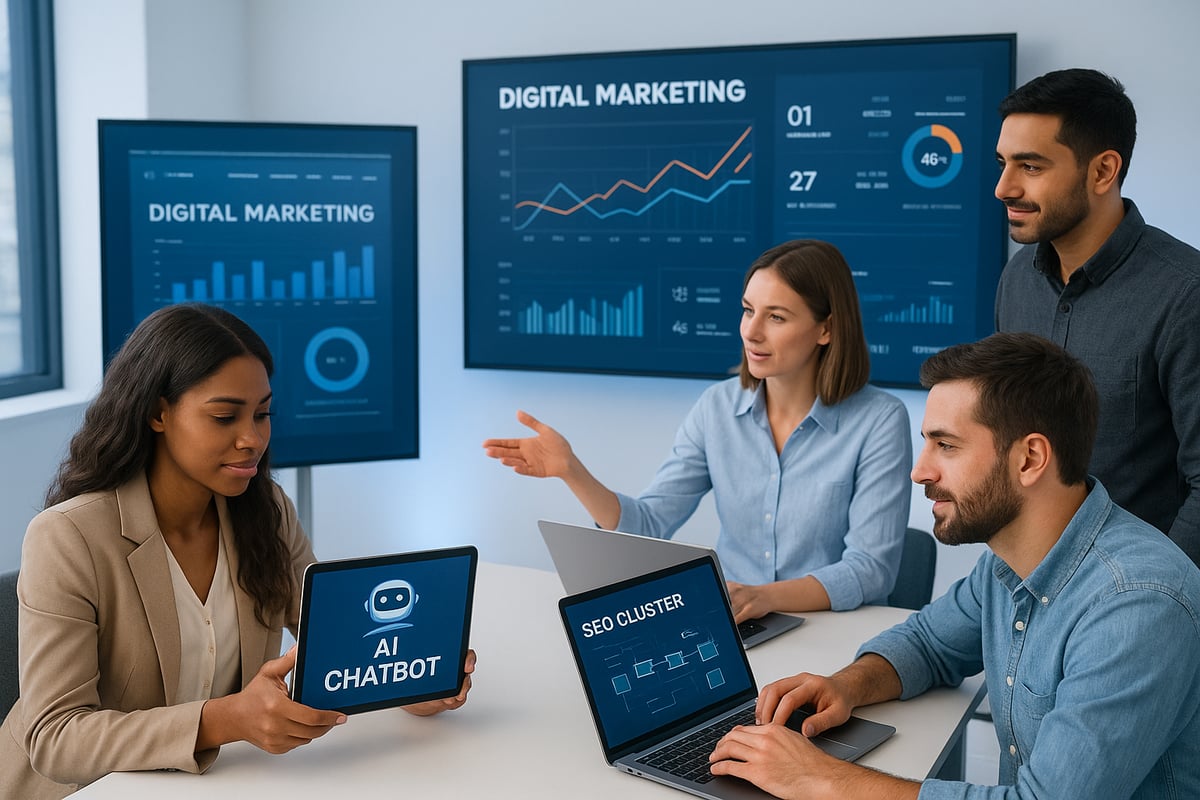
Advanced SEO is at the heart of effective online marketing lead generation. In 2026, the focus is on topic clusters and pillar pages, enabling brands to dominate search intent and capture long-tail keywords. This structure helps search engines understand your expertise and boosts visibility for a range of queries.
AI-assisted keyword research tools now uncover hidden opportunities, while content optimization platforms ensure every piece is crafted for maximum impact. A consulting firm recently restructured its blog into content clusters and achieved a 3x increase in organic leads.
Voice search and semantic SEO are also shaping content strategies. Integrating video, infographics, and audio not only diversifies content but also appeals to varied learning preferences. Internal linking strategies further enhance authority and dwell time, leading to more engaged visitors.
Finally, tracking SEO-driven lead conversions is crucial. Use analytics to connect content performance with lead generation goals, ensuring continuous improvement.
3. Hyper-Targeted Paid Advertising (PPC & Social)
Hyper-targeted paid advertising is transforming online marketing lead generation. In 2026, AI-driven segmentation allows brands to pinpoint audiences with unprecedented precision. Lookalike audiences, behavior-based targeting, and dynamic creative ensure ads resonate with the right prospects.
Personalized landing pages tailored to each segment boost engagement and conversion rates. For example, a local home services business employed hyper-local Google Ads and reduced cost-per-lead by 25%. Retargeting strategies nurture warm leads, keeping your brand top of mind across platforms like Google, Meta, LinkedIn, and TikTok.
Automation tools now optimize budget allocation in real time, focusing spend on the highest-performing campaigns. Attribution models have evolved, providing a clear view of which ads drive actual revenue, not just clicks.
To maximize results, regularly test ad copy, visuals, and offers. Analyzing data at each stage helps refine targeting and improve ROI.
4. Conversational Marketing & AI Chatbots
Conversational marketing has become a cornerstone of online marketing lead generation. AI-powered chatbots now provide instant responses, qualify leads, and book appointments 24/7. These bots personalize conversations based on user behavior and data, ensuring a tailored experience for every visitor.
A B2B SaaS provider recently increased demo bookings by 60% after deploying an AI chatbot. Integration with CRM and marketing automation tools ensures that no lead falls through the cracks and follow-up is immediate.
Modern chatbots support multiple languages and are designed with accessibility in mind, reaching a wider audience. However, balancing automation with the human touch is vital. For complex inquiries, seamless handoff to a human agent maintains trust and satisfaction.
Key performance indicators to track include response time, engagement rate, and lead-to-meeting conversion. By optimizing these metrics, businesses can enhance both efficiency and lead quality.
5. Value-Driven Lead Magnets & Gated Assets
Value-driven lead magnets remain a staple of successful online marketing lead generation strategies. High-value offers such as research reports, playbooks, templates, and interactive tools entice visitors to share their contact information.
Recent data shows gated content delivers three times more leads than ungated assets. Personalization takes this further—dynamic recommendations based on visitor profiles increase relevance and conversion rates. One financial services firm generated over 2,000 qualified leads with a single industry trends report.
Best practices for lead magnets include:
- A clear value proposition
- Frictionless forms with minimal required fields
- Automated follow-up sequences
Testing various asset formats, from eBooks to calculators, helps identify what resonates most with your audience. Compliance remains critical, so always ensure transparent opt-in processes and clear data usage policies.
6. Strategic Webinars & Virtual Events
Strategic webinars and virtual events are invaluable for online marketing lead generation in 2026. Live and on-demand sessions provide education, foster engagement, and capture leads at scale. Co-branded events expand your reach, leveraging the credibility and audiences of partners.
A technology company recently tripled its sales-qualified leads after hosting monthly expert panels. Optimizing registration pages minimizes drop-off, while automated reminders and follow-up nurture attendees post-event.
Interactive elements like Q&A sessions and live polls boost participation and qualify leads in real time. Repurposing webinar content into blog posts, infographics, and video snippets extends its lead generation value long after the event concludes.
7. Influencer & Partnership Marketing
Influencer and partnership marketing are reshaping online marketing lead generation. Collaborating with industry influencers builds trust and expands your reach to new, engaged audiences. Affiliate and referral programs further amplify your brand presence.
For example, a home services brand partnered with local YouTubers and saw a 50% surge in leads. Co-created content, such as podcasts, articles, and social media takeovers, provides authentic value and drives qualified traffic.
Vetting influencers for audience alignment and measuring ROI based on engagement and lead quality are vital steps. As legal and disclosure requirements evolve, ensure all partnerships are transparent and compliant.
Building long-term pipelines with trusted partners positions your business for sustained growth and increased lead flow.
Essential Tools and Technologies for Lead Generation Success
In 2026, the competition for online marketing lead generation is fierce, making the right technology stack more vital than ever. Modern tools empower businesses to automate, personalize, and optimize every stage of the lead generation funnel. Let us explore the essential platforms and innovations shaping success in this landscape.

AI-Powered Lead Generation Platforms
AI has revolutionized online marketing lead generation by enabling smarter targeting, real-time engagement, and predictive insights. Leading platforms like HubSpot, Salesforce, and Marketo now leverage advanced AI to analyze behavior, score leads, and forecast pipeline health with remarkable accuracy.
For example, AI algorithms can segment audiences based on intent signals and automate personalized follow-ups, increasing lead quality. These tools use machine learning to prioritize leads most likely to convert, allowing teams to focus efforts efficiently. In fact, companies adopting these platforms have seen dramatic improvements in lead conversion rates, as confirmed by recent lead generation statistics.
To summarize, here is a comparison of top AI-powered platforms:
| Platform | AI Capabilities | Key Benefit |
|---|---|---|
| HubSpot | Predictive lead scoring | Seamless CRM integration |
| Salesforce | AI-driven analytics | Pipeline forecasting |
| Marketo | Automated nurturing | Advanced segmentation |
Embracing AI in online marketing lead generation ensures your business stays ahead in an increasingly automated market.
Integration of CRM, Marketing Automation, and Analytics
A unified tech stack is pivotal for maximizing online marketing lead generation outcomes. Integrating CRM, marketing automation, and analytics tools streamlines lead management, improves data accuracy, and enables real-time reporting across every touchpoint.
Businesses leveraging integrated systems can automate lead routing, trigger personalized workflows, and monitor campaign performance from a single dashboard. This alignment accelerates response times, reduces manual errors, and enhances collaboration between sales and marketing teams.
For instance, organizations using an integrated approach have reported over 20 percent higher conversion rates compared to those relying on disconnected tools. Real-time attribution and closed-loop reporting further empower teams to refine strategies and target high-intent prospects. Understanding user intent is crucial for optimizing these processes, as highlighted in this resource on the importance of user intent in SEO.
In short, seamless integration is the backbone of scalable online marketing lead generation.
Emerging Tools for 2026
The landscape of online marketing lead generation is constantly evolving, with new platforms emerging to address changing buyer behaviors and compliance demands. Interactive content tools, advanced webinar software, and next-generation chatbots are driving engagement and capturing high-quality leads.
Innovations in data enrichment and intent monitoring allow marketers to identify prospects earlier in the buying journey. These tools enhance personalization, ensuring every interaction adds value and builds trust. Security and compliance have also taken center stage, with modern solutions embedding privacy features and transparent consent management to meet global regulations.
As you evaluate your tech stack, prioritize platforms that offer robust integrations, AI-driven insights, and built-in compliance safeguards. Staying agile and adopting emerging technologies will keep your online marketing lead generation strategies future-ready and effective.
Measuring, Optimizing, and Scaling Lead Generation Efforts
Measuring and optimizing your online marketing lead generation strategies is critical for sustainable growth in 2026. To stay ahead, you need a framework for tracking performance, experimenting with new tactics, and scaling what works. Let’s explore the essential elements.

Key Metrics and KPIs for 2026
Success in online marketing lead generation depends on focusing on metrics that directly impact revenue. In 2026, leading businesses prioritize KPIs like lead quality, cost-per-acquisition, pipeline velocity, and ROI.
Here’s a quick comparison of essential KPIs:
| KPI | Description | Why It Matters |
|---|---|---|
| Lead Quality | % of leads likely to convert | Drives sales alignment |
| Cost-Per-Acquisition | Total cost to acquire a lead | Controls marketing spend |
| Pipeline Velocity | Speed at which leads move through the funnel | Improves forecasting |
| ROI | Return on investment from campaigns | Measures true effectiveness |
With organic leads declining for many B2B brands, as highlighted in B2B Organic Leads Down 47% in 2025: The Lead Generation Crisis Every Marketer Must Address, tracking the right KPIs is more important than ever.
Continuous A/B Testing and Experimentation
To maximize online marketing lead generation, continuous A/B testing is essential. Regularly experiment with landing pages, ad copy, email sequences, and offers to discover what resonates with your audience.
Testing can include:
- Headlines and call-to-action buttons
- Form length and required fields
- Content formats and visuals
For example, a B2B firm improved conversion rates by 15% after iterative testing. Embrace a culture of experimentation to identify your most effective approaches.
Feedback Loops Between Marketing and Sales
Strong feedback loops ensure that your online marketing lead generation is closely aligned with sales goals. Sharing insights on lead quality, conversion outcomes, and objections helps both teams refine targeting and messaging.
Closed-loop reporting enables marketers to understand which sources deliver the highest-value leads. Regular meetings and transparent communication foster continuous improvement and better ROI.
Scaling What Works
Once you identify successful tactics, scale your online marketing lead generation by allocating more resources to top-performing channels. Automation tools can help personalize outreach at scale and maintain engagement.
Invest in ongoing learning to keep your strategies current. Monitor industry trends, adapt quickly, and double down on what brings measurable results. This approach ensures your business stays competitive in the evolving digital landscape.
Jean runs growth strategy at AimSetWin, a performance marketing agency specializing in local service businesses across Texas. he's helped plumbers, HVAC companies, pest control operators, and home service brands build predictable revenue systems using data-driven advertising and conversion optimization.


